Engineered Hardwood vs LVP in Texas Heat: Which Floor Holds Up on a Slab?
Engineered hardwood vs. LVP is the real flooring choice in most McKinney and Keller homes. The house sits on a slab. August heat hits the concrete. The AC runs for months. Solid hardwood can still work in the right rooms. For whole-house floors, the decision is usually real wood that is built in layers or waterproof vinyl that looks like wood.
This is not another list of every flooring type. It is a head-to-head for North Texas heat, indoor dryness, spills, and resale.
If you want real wood grain and buyer appeal, engineered hardwood is the stronger pick. If you want a floor that can take standing water in a kitchen or bath, LVP is the stronger pick. Many houses use both.
What Engineered Hardwood vs LVP Actually Means
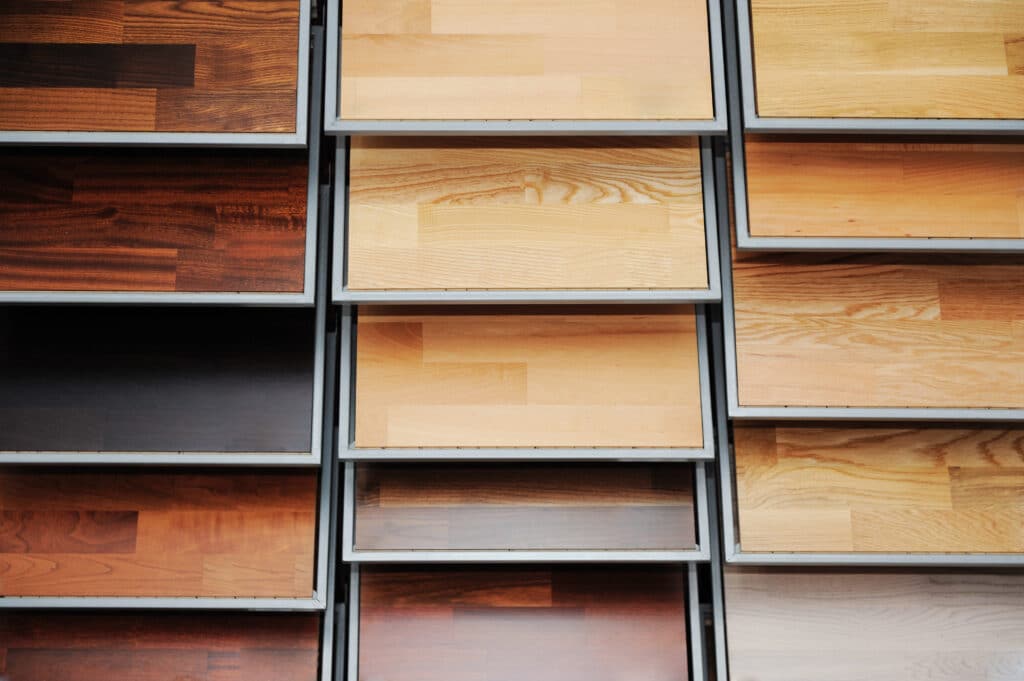
They can look similar on a sample board. They are not the same product.
Engineered hardwood is real wood on top. Under that is a layered wood core. The core is more stable than a solid plank, which is why it handles slabs better than traditional hardwood. It still needs indoor humidity in a healthy range. It is not waterproof.
LVP (luxury vinyl plank) is a printed wood look over a rigid core. Water sits on top instead of soaking in. It does not sand and refinish like wood. It does not add the same “real hardwood” story when you sell.
If you are still weighing two woods against each other, that is a different question. See our guide on whether engineered wood flooring is a good choice. This post is LVP vs engineered hardwood, with a short note on solid wood.
Texas Heat, AC, and a Concrete Slab
Outdoor air in DFW is often hot and damp. Indoor air is what the floor feels. The AC cools the house and can dry that air. A slab can hold moisture or push vapor up. Testing tells you before you install.
Here is how the two products behave in that mix:
- LVP usually moves less than wood when indoor humidity swings. Gaps are less likely when the AC runs dry. Follow the product’s heat and install limits.
- Engineered hardwood still moves a little. It moves less than solid oak or hickory. Very dry indoor air can still show hairline lines. Standing water is the bigger risk.
- Solid hardwood is usually the most sensitive of the three on a slab. Use it where the climate stays controlled and the room stays dry.
Neither product likes a shut-off AC and a hot garage stash during install. Keep the house at normal living temperature. Let materials rest inside. Test the slab before anything is glued or floated.
LVP vs Hardwood: Water, Pets, and Daily Wear
LVP vs hardwood is often a lifestyle question, not a style question.
Choose LVP when:
- The kitchen, bath, laundry, or mudroom gets wet
- Pets have accidents
- Kids spill drinks
- You want easy mopping and fewer seasonal gaps
Choose engineered hardwood when:
- The living room and bedrooms are the show spaces
- You want real grain, not a printed layer
- You may refinish later (only if the wear layer is thick enough)
- Resale and a wood floor matter more than waterproofing
Vinyl flooring vs hardwood is not “cheap vs fancy” anymore. Good LVP can look sharp. Cheap engineered wood with a paper-thin wear layer can disappoint. The product line matters as much as the category.
Scratch resistance is a wear-layer issue on both. Light wood and high-gloss finishes show more. A textured, mid-tone plank hides more. That is true for LVP and for wood.
Hardwood vs LVP Cost
LVP vs hardwood cost often favors vinyl for the material. Engineered hardwood often costs more per square foot. Solid hardwood can cost more still, once you add the extra care a slab install needs.
Labor is not a flat add-on. Glue-down wood, a moisture barrier, and slab prep can close the gap. A simple floating LVP job can look cheaper on paper, then need extra work if the concrete is uneven.
We will not quote a national average that does not match your house. Bring the rooms, the pet situation, and the photos. A free measure is more honest than a blog price chart.
If budget is the only driver, LVP usually wins. If resale matters, engineered hardwood often has an edge in living areas with buyers who want real wood. It is not a guaranteed higher price.
Which Rooms Should Get Which Floor?
You do not have to pick one material for the whole house.
A common DFW plan:
- Engineered hardwood in the living room, dining room, and hallway
- LVP in the kitchen, baths, and laundry
- Tile only where you want a true wet-room look
Open kitchens that share a sight line with the living room are the hard call. Some people run LVP through both so the floor never changes. Some people run engineered through both and accept more care around the sink. Either can look right. The wrong call is solid hardwood in a splash zone because a magazine photo used oak in a kitchen.
See engineered hardwood and waterproof luxury vinyl plank if you want to compare samples before a visit.
Engineered Hardwood vs LVP Near McKinney and Keller
Grain, gloss, and color look different on a phone than they do in daylight. Thickness is easier to judge in person too.
Elegant Floors & Remodeling is a licensed local team. We install both. We do not outsource the crew. Labor on the work we perform is backed by a 2-year warranty.
Visit our McKinney showroom at 4900 Eldorado Pkwy or our Keller showroom at 2041 Rufe Snow Dr. Walk the same plank in person. Then we can measure the slab and tell you which product belongs in which room.
We also serve Allen, Plano, Richardson, Frisco, The Colony, Southlake, and North Richland Hills.
Frequently Asked Questions
Is engineered hardwood or LVP better in Texas heat?
For a dry living room with the AC on, both can hold up. For a kitchen or bath, waterproof LVP, installed right, is usually the more practical choice around spills. Engineered hardwood is the better real-wood choice on a slab if the room stays dry and humidity stays in range.
Can I put engineered hardwood on a concrete slab?
Yes, when the slab is dry enough and the product is made for that install. That is one reason DFW homes pick engineered over solid wood. Moisture testing still comes first.
Does LVP look cheap next to hardwood?
It can, if the print is flat and the edges are thin. A better vinyl plank with texture and a deeper bevel can sit next to wood without shouting. The showroom comparison is the test, not a website photo.
Will engineered hardwood gap in August like solid wood?
It can, if the house is very dry. It usually gaps less. Small seasonal lines are not automatic proof the floor failed. Wide, uneven openings, cupping, or a musty smell are different. Those need a visit.
Can I mix LVP and engineered hardwood in one house?
Yes. Match undertones and plank width as closely as you can. Put the change at a doorway or a clear room break, not in the middle of an open floor if you can help it.
Pick the Floor That Matches the Room, Not the Trend
Engineered hardwood vs LVP is not a winner-take-all contest. In North Texas heat, LVP wins where water is likely. Engineered hardwood wins where you want real wood and a stronger resale story. Solid hardwood still has a place, but it is rarely the default on a DFW slab.
Elegant Floors & Remodeling can lay both samples in your light, check the slab, and quote only the rooms that need work.
McKinney: (469) 972-8806
Keller: (817) 993-4443
Schedule a free in-home estimate or stop by the showroom. Bring photos of the rooms that get wet. We will tell you where wood belongs, where vinyl belongs, and where mixing the two is the smart call.