
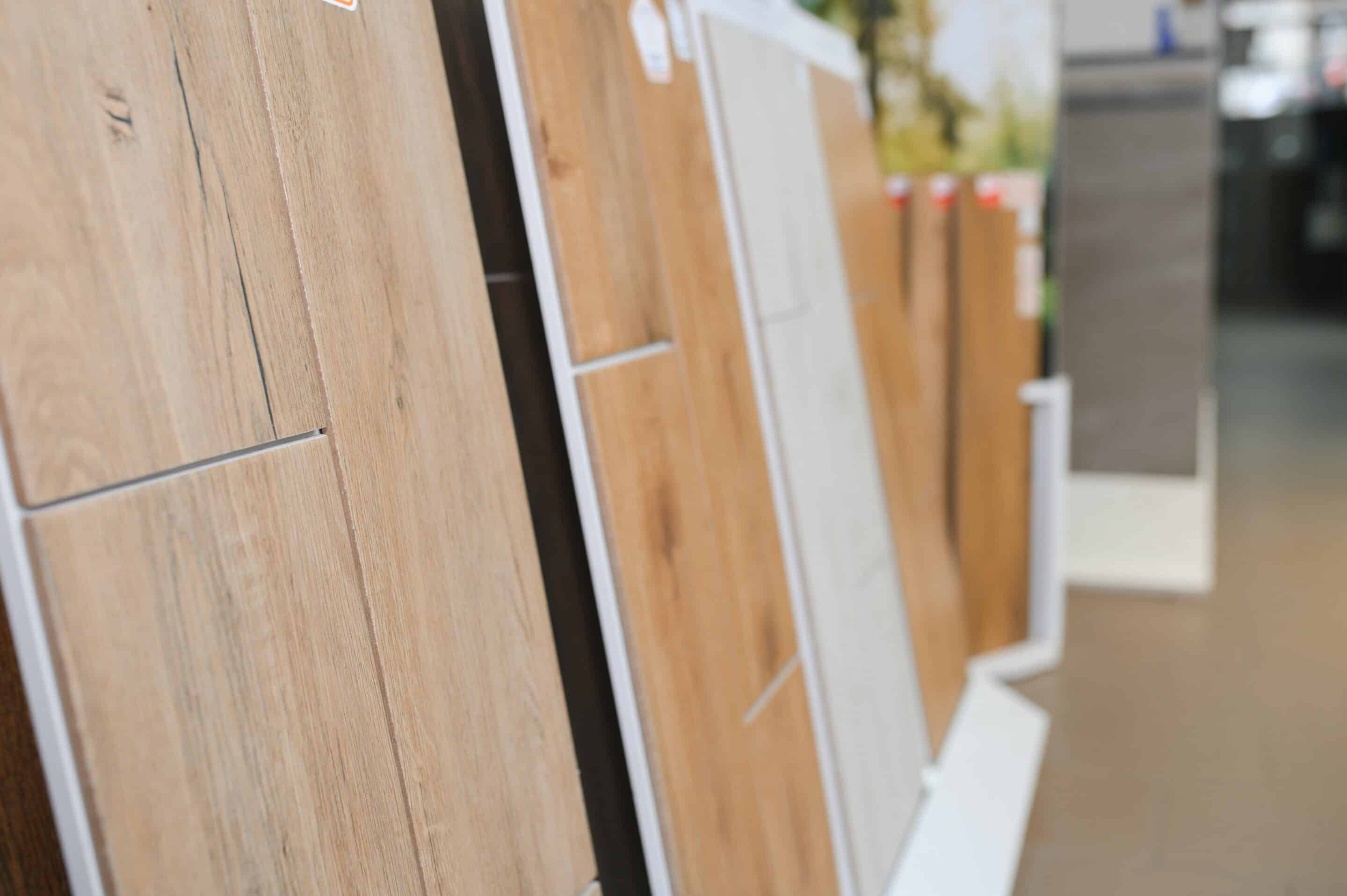
Porcelain tile vs ceramic tile is the choice many Keller and McKinney homeowners face when they want a hard, water-tough floor. Both can look like stone or wood. Both clean well. But they don’t perform the same under wet shoes, shower splash, and daily traffic.
Fall mud and holiday guests make entryways and baths work harder. This guide explains porcelain vs ceramic tile, when each one fits, and how to pick a floor tile that matches the room.
Quick answer: Porcelain is often the better choice when a floor sees water, grit, or heavy traffic. Choose ceramic when the space is lighter duty, often walls or low-wear floors, and the product is rated for that use. For either surface, quality installation and grout care matter as much as the tile name.
What Is the Real Difference Between Porcelain and Ceramic Tile?
People search ceramic vs porcelain tile and porcelain vs ceramic floor tile for the same decision. Both are clay-based products. The firing and density are different.
Porcelain is usually denser. It is fired at higher temperatures. Water absorption is typically very low. That helps on floors that get wet often. Low absorption is not the same as slip rating or shower-floor suitability, so still match the product to the room. Many porcelain lines are made for floor use and can handle busy entries and baths when installed correctly.
Ceramic is often a bit more porous and can be easier to cut. Many ceramic tiles are great on walls. Some ceramic tiles are also floor-rated. The box rating matters more than the aisle label. If a ceramic tile is not rated for floor traffic, keep it off the entry.
That is the core difference: porcelain is usually denser and better for wet, high-wear floors, while ceramic can work well in lighter-duty spots when the rating matches the room.
| Factor | Porcelain | Ceramic |
| Density | Usually denser | Often less dense |
| Water absorption | Very low in many porcelain lines | Often higher unless rated otherwise |
| Floor / wall use | Many lines made for floors and wet rooms | Walls are common; floors only if rated |
| Wear | Strong for grit and traffic | Fine for lighter traffic |
| Fall / holiday fit | Muddy shoes and wet baths | Accent walls or low-wear floors |
When Does Porcelain Win?
Choose porcelain when the floor has to take real life.
Porcelain is usually the stronger pick when:
- The room is an entry, mudroom, or hallway with wet shoes
- You are tiling a bath floor or wet zone
- Pets, carts, or heavy foot traffic hit the same path daily
- You want a wood or stone look that still shrugs off moisture
- You need porcelain vs ceramic floor tile performance, not just wall style
In North Texas, fall rain and winter guests dump grit at the door. Porcelain is often the better fit for that traffic when the tile is rated for floor use. It still needs a flat subfloor, the right thinset, and grout that gets sealed or cleaned on a real schedule. Dense tile does not fix a weak install.
When Does Ceramic Still Make Sense?
Ceramic vs porcelain tile is not a contest ceramic always loses. Ceramic can be the smart choice in the right spot.
Ceramic often fits when:
- You are tiling a shower wall, backsplash, or accent wall
- The floor traffic is light and the tile is clearly floor-rated
- You want a look or size that fits your design plan
- The room stays mostly dry underfoot
Do not put wall-only ceramic on an entry floor because it was cheaper or prettier in the sample board. Read the use rating. Ask whether the tile is for walls, floors, or both. That one question prevents most regrets.
How Should Entryways and Baths Change Your Pick?
Entryway flooring in DFW takes rain, dust, and weekend sports gear. Bath floors take splashes and bare feet. Those rooms punish soft choices.
For entries and mudrooms:
- Favor porcelain for the main walk path
- Pick a texture that is not glass-slick when wet
- Plan mats at the door, but do not rely on mats alone
For baths:
- Favor porcelain on the floor in most full baths
- Confirm wet-area ratings for showers
- Remember grout lines. They need care even when the tile is dense.
Planning a full bath refresh? See our bathroom remodel options along with tile flooring choices.
Large-format tiles can look clean and modern. They still need a flat slab and careful layout. Phone photos hide lippage and sheen. See samples in real light before you lock a color.
Porcelain Tile vs Ceramic Tile Near Keller and McKinney
Ratings are easier to sort when you see the boards and talk through the rooms that get wet.
Elegant Floors & Remodeling is a licensed North Texas team. We install in-house. We do not outsource the crew. Labor on the work we perform is backed by a 1-year warranty. Browse tile flooring options, then compare porcelain and ceramic in the showroom.
Visit our Keller showroom at 2041 Rufe Snow Dr or our McKinney showroom at 4900 Eldorado Pkwy. Bring photos of the entry and bath. We can help you compare which tile fits each room.
We also serve Allen, Plano, Richardson, Frisco, The Colony, Southlake, and North Richland Hills.
Frequently Asked Questions
Is porcelain better than ceramic for floors?
Often yes for busy or wet floors. Porcelain is usually denser. Ceramic can still work on floors when it is rated for floor use and the traffic is lighter.
Can ceramic tile go in a bathroom?
Yes on many walls. On floors, only if that specific tile is rated for floor use in a wet room. Follow the install requirements for the area. When in doubt for a bath floor, porcelain is the safer default.
Is porcelain tile more pricey than ceramic tile?
It can be, depending on brand, size, finish, and the room. Installation and prep also affect the total. Compare by what the room needs, not tile price alone.
Does porcelain tile need sealing?
Most porcelain tile bodies do not need sealing the way natural stone does. Grout often does. Follow the tile and grout maker’s care rules.
What about slip resistance at the front door?
Look for a texture made for wet areas. A polished tile that looks great dry can feel slick with rain. Test samples with a damp cloth in the showroom if you can.
Can I mix porcelain and ceramic in one house?
Yes. Many homes use porcelain on floors and ceramic on walls. Match undertones and finishes so the rooms feel connected.
Make the Smart Choice for Wet Rooms and Entries
Porcelain tile vs ceramic tile is not a fashion contest. Porcelain is often the better fit when entry grit, bath splash, and daily traffic are the real job. Pick ceramic when the rating matches a lighter-duty wall or floor. Check the box rating, see the tile in daylight, and install it for your space.
Elegant Floors & Remodeling can walk you through both options before muddy shoes and holiday guests arrive.
Keller: (817) 993-8000
McKinney: (469) 406-0066
Schedule a free in-home estimate or stop by the showroom this week. Bring room photos. We will help you choose with confidence.