Choosing Your Surface: A Guide to the Best Type of Flooring

Choosing Your Surface: A Guide to the Best Type of Flooring

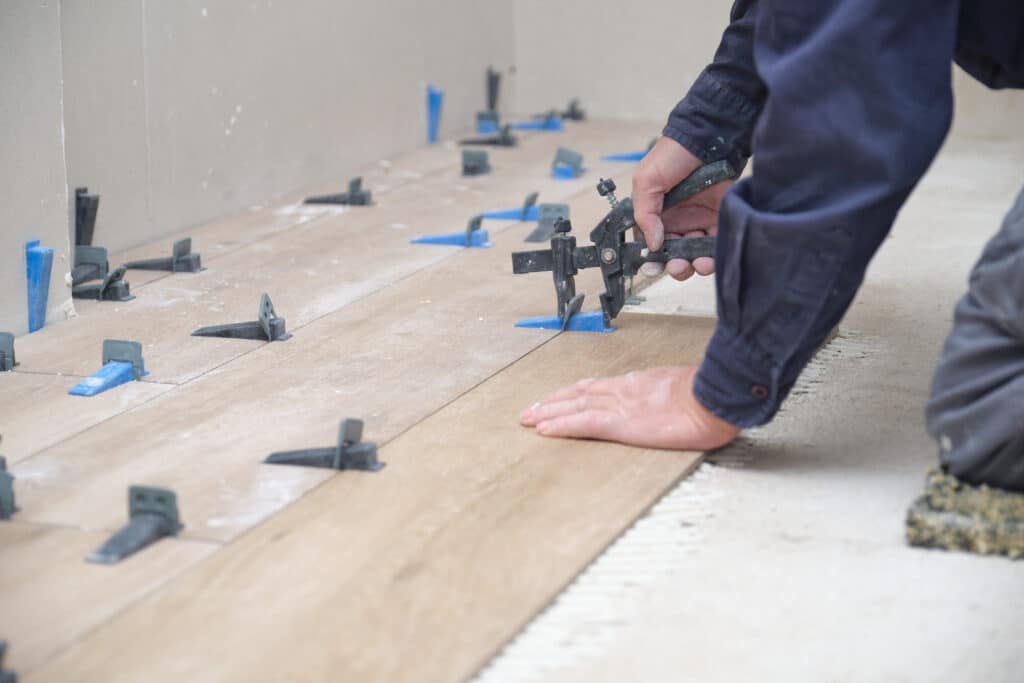
Floor Tiles

Embarking on a residential property upgrade requires careful planning, a clear understanding of material durability, and a realistic look at your daily lifestyle. While visual styling plays a major role in your design decisions, choosing an unsuitable material for a high-traffic or moisture-prone room can lead to premature wear and costly replacements. Navigating the vast market of modern materials is the secret to protecting your long-term property investment.

If you want to achieve a seamless blend of durability and timeless style, the local design specialists at Elegant Floors can help you assess your interior layout and select the ideal structural materials for your property.

Understanding the Functional Demands of Modern Home Flooring

To identify the best type of flooring for your property, you must analyze the traffic levels in each room, moisture exposure, and local climate shifts. Modern surfaces must balance resistance to daily foot traffic with your visual design goals. Selecting materials that complement your household needs ensures lasting structural performance.

When preparing a comprehensive residential remodeling checklist, it is helpful to view materials through the lens of spatial utility. A material that performs beautifully in a formal dining room might fail completely when exposed to the high humidity of a master bathroom or the heavy spills of a kitchen.

Hardwood Flooring: Timeless Elegance and Long Term Value

Solid hardwood and engineered hardwood remain top premium selections for traditional living areas, hallways, and bedrooms. This classic flooring option offers unmatched natural beauty, unique grain variations, and excellent long-term structural value.

Key advantages of choosing premium hardwood include:

  • Significant increase in overall residential property resale value.
  • The ability to sand and refinish the planks multiple times over decades.
  • Excellent natural insulation that helps maintain comfortable surface temperatures.

Luxury Vinyl Plank: The Ultimate Multi Purpose Solution

Wood Flooring

Luxury vinyl plank, commonly referred to as LVP, has rapidly become the best type of flooring for busy families with young children or indoor pets. This innovative material mimics the authentic texture of real wood while providing a highly resilient surface.

Feature Solid Hardwood Luxury Vinyl Plank (LVP)
Moisture Resistance Vulnerable to warping Completely waterproof
Lifespan Can last over 50 years Typically 10 to 25 years
Maintenance Requires special wood cleaners Simple sweeping and damp mopping

Durable Ceramic and Porcelain Tile for High Moisture Areas

For areas exposed to constant water splashing, such as bathrooms, laundry rooms, and entryways, porcelain tile stands out as the industry standard. Porcelain is fired at incredibly high temperatures, making it denser and less porous than standard ceramic options.

Frequently Asked Questions

  • What is officially considered the best type of flooring for a kitchen remodeling project?
    Luxury vinyl plank and porcelain tile are widely considered the ideal choices for a kitchen environment. Both options offer complete waterproof protection, withstand dropped heavy cookware, and resist stubborn cooking grease stains while remaining incredibly simple to sanitize.
  • How do pet claws and heavy foot traffic impact different flooring materials?
    Heavy traffic and active pets can easily scratch genuine solid hardwoods over time. For homes with large pets, choosing durable, scratch-resistant options like luxury vinyl or hard porcelain tile helps prevent surface damage and maintain a clean aesthetic.
  • Can engineered hardwood planks be installed safely inside a damp basement?
    Yes, engineered hardwood can often be installed in basements because its layered plywood core resists expanding and contracting. However, installing a dedicated subfloor vapor barrier before laying down the wood is critical for blocking moisture from the underlying concrete.
  • Which cost effective flooring options provide the highest return on investment?
    Solid wood installations consistently provide the highest financial return on investment for homeowners looking to sell their properties. For budget-conscious buyers, high-quality luxury vinyl replicates that premium visual appeal at a fraction of the raw material cost.
  • How does routine maintenance differ between natural stone and laminate options?
    Natural stone requires periodic applications of a specialized protective chemical sealant to block moisture and deep staining. Laminate materials do not require sealing, but they are vulnerable to joint swelling if puddles of water are left standing on the surface for too long.

Ready to Upgrade Your Space with Premium Surfaces?

Selecting new materials for your property is an exciting milestone that can completely transform the overall comfort, value, and daily utility of your living space. Whether you are ready to install elegant real wood throughout your main floor or need a tough, waterproof option for a busy bathroom, selecting matching materials ensures an excellent end result.

The dedicated layout team at Elegant Floors is here to walk you through every step of your upcoming home upgrade. Contact us today to schedule your comprehensive design consultation and explore our extensive material showroom.

How to Refinish Hardwood Floors?

How to Refinish Hardwood Floors?

Hardwood Flooriong

Solid wood flooring is a premium asset that adds unmatched character and long-term financial value to your home. Over the years of heavy foot traffic, pet claws, and UV exposure, even the highest-quality hardwood flooring will eventually develop surface scratches, dull spots, and localized discoloration.

Fortunately, solid timber boasts incredible resilience. Learning how to refinish hardwood floors allows you to strip away decades of surface wear and reveal the pristine, untouched grain hidden just beneath the surface.

Key Takeaways for Successful Refinishing

  • Prep is Everything: Complete structural repairs, counter-sink exposed nails, and deeply clean the room before introducing heavy sanding machinery.
  • Progressive Grits: Always sand using a systematic progression of abrasive grits, typically moving carefully from coarse 36-grit up to a fine 100-grit polish.
  • Control the Edge: Use an edge sander along walls and baseboards to ensure a uniform texture throughout the layout.
  • Mind the Cure Time: Polyurethane coatings dry relatively quickly, but they require up to a full week to chemically cure before accepting heavy furniture.

Why Should You Refinish Your Wood Floors?

Over time, everyday life takes a visible toll on your home’s architectural surfaces. Rather than paying tens of thousands of dollars to completely tear out and replace older planks, renewing your existing materials is an eco-friendly and highly cost-effective alternative.

Refinishing allows you to completely change the color palette of your home with modern stains, patch up deep historical scratches, and apply an impervious protective barrier against future moisture or spills. It breathes new life into your architectural investments while preserving your property’s structural integrity.

Is My Wood Flooring Thick Enough to Sand?

Most solid hardwood flooring planks can be safely sanded and refinished four to six times throughout their structural lifespan. However, engineered wood options feature a much thinner real timber wear layer, usually measuring between two and six millimeters, meaning they can only tolerate one or two light refinishing treatments before wearing down completely.


To verify if your material can withstand the aggressive abrasion of a drum sander, remove a floor register vent or a piece of baseboard trim. This unexposed edge allows you to view the true profile of your planks and measure the exact thickness of the timber above the tongue-and-groove interlocking joint.

Essential Equipment and Safety Gear

Executing a professional-grade restoration requires specialized heavy machinery and strict adherence to personal protective protocols.

Equipment / Material Specific Purpose Safety / Operational Protocol
Drum Sander Aggressive, rapid removal of old finish and deep scratches across flat center expanses. Must keep moving constantly to avoid gouging permanent valleys into the wood.
Floor Edger Heavy-duty disc sanding designed to reach areas close to baseboards and corners. Keep the tool flat and moving in smooth, overlapping arcs.
Random Orbital Buffer Fine, multi-directional polishing that removes fine scratch patterns between coats. Vacuum the floor meticulously before using to prevent trapping grit.
Respirator (NIOSH-Approved) Protects your respiratory system from fine wood dust and toxic chemical fumes. Ensure a tight silicone face seal and use active organic vapor cartridges.

A Step-by-Step Guide on How to Refinish Hardwood Floors

Refinishing timber is a meticulous process requiring structural patience and mechanical precision. Skipping steps will inevitably lead to unsightly swirl marks or uneven finish coats.

Step 1: Meticulous Room Preparation

Clear all furniture, art, and drapery from the target workspace. Tap any exposed finishing nails beneath the timber surface with a hammer and nail set, then seal any structural gaps with specialized, sandable wood filler. Thoroughly seal all doorways, HVAC vents, and built-in cabinetry with heavy plastic sheeting and painter’s tape to completely isolate the inevitable migration of fine airborne dust particles.

Step 2: The Progressive Sanding Process

Mount a coarse 36-grit sandpaper sleeve onto your rental drum sander to slice through the old, hardened protective sealant. Walk the machine slowly forward and backward across the room, tracking exactly along the natural directional flow of the wood grain.

[36-Grit: Strips Old Varnish] âž” [60-Grit: Flattens & Levels Planks] âž” [100-Grit: Smooth Polishing]


Once the center of the room is bare, use your edge sander with matching grits to clear the perimeter. Repeat this cycle across the entire floor plan using medium 60-grit paper, then finish with a fine 100-grit pass to close the timber’s open pores.

Step 3: Screening and Dust Evacuation

Vacuum the entire room multiple times using a heavy-duty shop vacuum equipped with a fine-particle HEPA filter. Next, run a random orbital buffer fitted with a 120-grit screening mesh disc across the floor plan to blend the edges and center sections together flawlessly. Wipe the bare wood down with a microfiber tack cloth to capture any remaining microscopic dust before opening your sealants.

Step 4: Applying Stain or Sealers

If you prefer a rich, contrasting aesthetic, apply your chosen interior wood stain evenly across the boards using a lamb’s wool applicator or a lint-free rag, wiping away any excess pooling liquid as you move. If you favor the organic, bright appearance of natural wood, bypass the stain completely and apply a clear, protective sanding sealer coat directly onto the bare wood fibers.

Step 5: Laying Down the Protective Finish

Apply three consecutive coats of a premium water-based or oil-based polyurethane finish. Water-based formulas dry incredibly fast and remain crystal clear over the years, while traditional oil-based polyurethanes provide a deep, warm amber hue along with outstanding long-term durability. Lightly abrade the surface between coats with a fine maroon buffing pad to ensure flawless chemical adhesion between the protective layers.

light and shadow on wood flooring 2026 03 25 06 26 24 utc scaled

FAQ Section

How long does it take to learn how to refinish hardwood floors?

While the basic mechanical steps are straightforward, mastering the physical control of a heavy drum sander takes focus. For a standard 500-square-foot room, a dedicated homeowner can typically complete the physical sanding, staining, and initial sealing stages in a single weekend, provided they follow structural safety protocols.

What is the difference between refinishing and screening?

Screening only involves scuffing up the very top layer of the clear polyurethane coating using a buffer mesh pad before applying a fresh maintenance topcoat. Refinishing requires sanding down to the raw wood fibers to eliminate deep scratches, stains, and structural issues.

How long should I wait before walking on my newly finished floors?

If you applied a modern water-based polyurethane, you can typically walk across the surface in clean socks after 24 hours. However, you must wait at least 48 to 72 hours before allowing pets or heavy foot traffic, and a full week before sliding heavy furniture or laying down large area rugs back onto the workspace.

Can I change the color of my hardwood flooring during refinishing?

Yes. Once you sand the old sealant away and expose the bare, raw wood pores, you can apply any color of specialized interior wood stain you desire. Options range from ultra-modern, bright white washes to rich, traditional dark walnut tones.

Why are my newly finished floors turning a yellow color?

Traditional oil-based polyurethane finishes naturally oxidize over time when exposed to ambient oxygen and UV sunlight, creating a noticeable amber or yellowish cast. If you want your wood tones to remain true and neutral over the long term, choose a high-performance, non-yellowing water-based acrylic finish instead.

Bring Expert Artistry to Your Home’s Surfaces

Restoring your home’s natural timber architecture is an investment that pays visual and financial dividends for decades. While taking on a major DIY sanding project can be a rewarding challenge, operating industrial machinery also carries real structural risks to your property if handled incorrectly.

If you want to guarantee a flawless, mirror-smooth finish without the dust, stress, and physical strain of operating heavy rental equipment, our elite team is here to help. Discover the beautiful, lasting transformation that true craftsmanship can bring to your property. Call or visit us today!

What’s the Best Interior Paint?

What’s the Best Interior Paint?

Interior Painting

When planning a fresh home painting project, the endless wall of color chips and formula types at your local supply store can feel incredibly overwhelming. A brand-new coat of color can completely revitalize a room, elevate your interior design, and complement your high-quality flooring. However, a beautiful shade alone will not save you from the frustration of a low-quality product that flakes, stains, or fades within a year.

Homeowners frequently ask our design experts: What’s the best interior paint for a lasting, premium finish? The answer depends on balancing performance, the specific room environment, and how the walls interact with your room layout.

At Elegant Floors, we know that true room transformation involves looking at the entire canvas, from the surface under your feet to the color on your walls. Let’s dive into the absolute top paint formulas on the market, ideal finishes, and how to execute a flawless look.

Top Ranked Interior Paint Brands and Products

Achieving a professional result requires utilizing top tier manufacturing lines that offer rich coverage, minimal odor, and superb stain resistance.

Benjamin Moore Regal Select

Widely considered the gold standard by professional painters, this premium acrylic product features incredible hide and leveling capabilities. It goes on smoothly, hides imperfections effortlessly, and resists fading over time. Its proprietary stain-release technology makes it highly washable, which is perfect for busy households with pets and children.

Sherwin Williams Emerald Acrylic Latex

If you want a flawless luxury finish with maximum durability, Emerald is an exceptional choice. It provides smooth, uniform coverage that resists spotting, streaking, and color washing. It also features exceptional antimicrobial properties, making it a fantastic addition to moisture-prone areas such as guest bathrooms or kitchens.

Behr Marquee

For DIY enthusiasts seeking incredible value without sacrificing performance, this advanced formula guarantees one coat coverage in a massive selection of curated colors. It forms a dense, non-stick surface that wipes clean quickly, defending high-traffic hallways from everyday scuffs and handprints.

Choosing the Right Sheen for Each Living Space

Selecting the right brand is only half the battle. Matching the proper finish or sheen to the specific function of a room dictates both its aesthetic beauty and its long term durability.

  • Flat and Matte: These finishes absorb light beautifully, making them exceptional at hiding surface imperfections on older drywall. Because they are harder to clean without burnishing the surface, save flat coatings for low-traffic zones like master ceilings or adult bedrooms.
  • Eggshell and Satin: Providing a soft, velvety luster, eggshell is the ultimate choice for living rooms, dining spaces, and entryways. Satin offers a slightly higher gloss level, bringing enhanced moisture protection to family spaces and active kids’ playrooms.
  • Semi-Gloss and High-Gloss: Highly reflective and incredibly durable, these finishes repel water and withstand intensive scrubbing. They are the universal standard for architectural trim, baseboards, crown molding, and kitchen cabinets.

Designing a Cohesive Look From Baseboards to Flooring

A major mistake during a home remodeling project is selecting wall tones in a vacuum, without considering your flooring materials. Your walls and floors represent the two largest surface areas in any room, meaning they must work in harmony.

Flooring Material Recommended Paint Undertone Ideal Room Placement
Warm Oak Hardwood Creamy whites, muted warm grays, soft earth tones Traditional living rooms, main entryways
Cool Gray Luxury Vinyl Plank Crisp bright whites, cool charcoals, soft blues Modern kitchens, high-traffic basements
Light Natural Maple Warm beige, sage greens, airy pastel tones Sunrooms, open concept family areas
Dark Walnut Timber Soft off whites, rich jewel tones, warm taupe Sophisticated home offices, formal dining spaces

When refreshing a room, we highly recommend painting your baseboards and architectural trim first. Matching your baseboards to the clean lines of your premium flooring material creates an elegant frame that anchors the entire space.

Paint Mixing

Step-by-Step Guide for a Flawless DIY Application

  1. Clear and Clean: Remove all furniture, switch plates, and outlet covers. Wash down your drywall with a mild detergent to eliminate trapped grease, dust, and oils.
  2. Repair the Surface: Fill nail holes, dents, and cracks with high quality spackling compound. Sand the patches completely smooth once they dry.
  3. Apply Painter’s Tape: Secure crisp edges along your ceiling line, window frames, and flooring borders using premium painter’s tape. Press down firmly to stop color bleeding.
  4. Prime the Drywall: Use a dedicated stain blocking primer if you are shifting from a dark color to a light shade or coating bare drywall.
  5. Cut In and Roll: Paint your room corners and borders first using an angled brush. Follow up immediately with a high quality microfiber roller cover, maintaining a wet edge to eliminate visible lap lines.

Frequently Asked Questions About Home Painting

What’s the best interior paint for high traffic hallways?

For heavy traffic zones, an premium eggshell or satin finish from a reputable line like Benjamin Moore Regal Select or Sherwin Williams Duration is ideal. These formulas offer the perfect balance, providing enough sheen to allow easy wiping and cleaning without highlighting minor wall dents and drywall flaws.

Can I paint my walls without using a primer first?

If your current walls are in excellent structural shape and you are applying a similar shade, modern self priming paint products work wonderfully. However, you must use a separate primer if you are covering dark colors, sealing raw drywall repairs, or transitioning from an old glossy oil paint base to a water-based acrylic latex formula.

How do I choose a wall color that matches my hardwood floors?

Look closely at the subtle undertones of your wood flooring. If your hardwood features warm yellow, orange, or red undertones, pair them with complementary warm neutrals or soft creams. For cool gray or whitewashed flooring, stick with crisp whites or cool based neutrals to prevent visual clashing.

What is the difference between latex and oil based interior coatings?

Water based latex and acrylic options dry quickly, emit very low odor, clean up easily with plain water, and remain highly flexible over time. Oil-based options offer superior leveling and an ultra hard finish, but they take a long time to dry, require mineral spirits for clean up, and are generally restricted to specialized trim work.

Bring Your Design Vision to Life with Elegant Floors

A gorgeous wall transformation deserves to be paired with breathtaking flooring. At Elegant Floors, we specialize in helping Texas homeowners elevate their properties through premium material selection and expert craftsmanship. Whether you are tackling a minor room update or managing a major home remodeling venture, our team is here to guide you through every choice.

We proudly serve communities across the region, providing top-tier hardwood, luxury vinyl plank, laminate, and tile solutions tailored to your unique style.

Visit Elegant Floors today to request your free design consultation and start building the home of your dreams!

How to Install Countertops?

How to Install Countertops?

Kitchen Countertops

A home renovation is an exciting venture that breathes brand new life into your daily living spaces. Whether you are remodeling a bustling family kitchen or transforming a master bathroom into a private oasis, updating your surfaces is one of the most impactful changes you can make. New installations instantly elevate your home’s aesthetic, improve everyday functionality, and increase your overall property value.

When planning a remodel, many homeowners naturally research how to install countertops to understand the project’s scope. While online videos can make the process look straightforward, achieving a high-end, durable finish requires specialized stone-cutting machinery, advanced leveling techniques, and years of hands-on expertise.

To protect your investment and secure a premium result, trust your project to a certified installation team. Let’s explore the strategic process behind a successful, commercial-grade surface build and why expert execution is essential.

Selecting Premium Surfaces for Your Unique Layout

Every room has distinct performance demands. Selecting a premium material that aligns with your household needs is the critical first step toward a beautiful, functional space.

Selecting Premium Surfaces for Your Unique Layout

Every room has distinct performance demands. Selecting a premium material that aligns with your household needs is the critical first step toward a beautiful, functional space.

Kitchen Countertops

The kitchen is the undisputed heart of the home. These high-traffic surfaces must withstand intense heat from cookware, the sharp edges of kitchen knives, and accidental spills of acidic foods or oils. Premium options like quartz, granite, and quartzite offer unmatched longevity and timeless elegance.

However, because these slabs are exceptionally heavy and unforgiving, installing countertops in a kitchen layout demands precise fabrication. Professional installers use heavy-duty transport frames and diamond-edge cutting tools to ensure every custom cut fits your unique walls perfectly without risking structural damage.

Bathroom Countertops

A bathroom vanity operates in a completely different environment, primarily characterized by high humidity, standing water, and exposure to daily cosmetic products. Because bathroom layouts are often more compact, installing a new vanity surface requires intricate, precise cutting around plumbing lines, integrated sinks, and custom backsplashes.

Professional alignment guarantees that moisture cannot seep into the underlying cabinetry, preventing hidden water damage and structural degradation over time.

The Professional Strategy: How to Install Countertops Flawlessly

Achieving a luxury look that lasts for decades requires a meticulous, multi-step process handled by trained installation crews. Here is a look at what goes into a successful execution:

1. Advanced Digital Laser Measuring

A flawless fit begins long before any material arrives at your property. Professional crews do not rely on standard tape measures. Instead, they utilize digital laser templating systems to capture the exact contours, waves, and unique angles of your walls. This high-precision data ensures your custom slab fits perfectly against your drywall, with no awkward gaps.

2. Base Cabinet Structural Evaluation

Heavy stone materials can easily crack or cause underlying structures to sag if the total weight is not distributed evenly. Experienced crews evaluate your existing base cabinet structures, checking for structural integrity and absolute level across all planes. If any low spots are found, the team uses commercial-grade leveling techniques to reinforce the foundation before any weight is ever applied.

3. Precision Fabrication and Custom Cutting

Once measurements are finalized, your slabs are cut using advanced CNC machinery and specialized wet saws. This automated precision ensures that sink cutouts, cooktop openings, and decorative edge profiles are completely smooth and uniform. Attempting to modify these materials on-site without commercial water-cooling systems can ruin the stone and create an unsafe environment.

4. Seamless Joining and Heavy Material Handling

Transporting and handling fragile, multi-hundred-pound slabs requires a team of experienced professionals using heavy-duty suction-cup lifters and specialized moving carts. Once positioned, the pieces are bonded to the cabinetry using high-strength structural adhesives. For expansive layouts, installers use mechanical seam-pullers and color-matched epoxy to blend the joints seamlessly, making the seams virtually invisible.

5. Deep-Penetrating Moisture Sealing

The final step focuses on long-term surface protection. Natural stone materials are inherently porous and require high-grade chemical sealants to prevent staining from everyday items such as coffee, wine, and oils. Professionals apply a deep-penetrating sealer that bonds with the stone on a molecular level, ensuring your surfaces remain stain-resistant and incredibly easy to clean.

Countertops

Frequently Asked Questions

Can I install heavy quartz or granite countertops on my own?

While minor laminate updates are possible for advanced DIYers, handling heavy natural stone or quartz is highly discouraged. Slabs can easily snap under their own weight if lifted incorrectly, and a single error during a sink cutout can ruin an expensive piece of stone, voiding any material warranties.

How do professionals make the seams between stone sections look invisible?

To create a uniform appearance, installers use a custom-tinted epoxy mixed on-site to match the exact color and veining of your stone. They utilize compression tools that pull the pieces together under immense pressure while the adhesive cures, leaving a tight, smooth joint.

Can new countertops be installed on old, unlevel cabinets?

No, new surfaces should never be placed on an uneven foundation. Heavy stone puts uneven stress on unlevel cabinets, which can lead to structural shifting, separated seams, or visible cracks in the stone. Installers always level and reinforce the cabinet bases thoroughly before lowering the material into place.

Conclusion

Researching how to install countertops highlights just how much precision, structural reinforcement, and specialized equipment are required for a successful remodel. By trusting the fabrication and installation to certified professionals, you ensure perfect structural leveling, seamless joints, precise cutouts, and a stunning aesthetic that will withstand decades of daily wear and tear.

When you choose Elegant Floors, you are partnering with a dedicated team of local Texas craftsmen committed to perfection. We handle every step of your renovation project with the utmost care, from initial laser measurement and precise fabrication to final placement and premium sealing.

Ready to transform your home with exquisite new surfaces and flawless execution? Visit Elegant Floors today to browse our beautiful material options and schedule your professional consultation with our expert team.

Is Laminate Flooring Cheaper Than Carpet?

Is Laminate Flooring Cheaper Than Carpet?

Laminate Flooring

When it comes to a home renovation or a room update, choosing the right material can make or break your home improvement budget. Two of the most popular options for homeowners looking for style and affordability are synthetic wood surfaces and traditional carpeting. If you are trying to stretch your dollar, the primary question on your mind is likely: Is laminate flooring cheaper than carpet?

The answer isn’t a simple yes or no because upfront material prices are only one piece of the financial puzzle. To determine the true cost, you must factor in professional setup fees, subfloor preparation, underlayment, and the material’s actual lifespan in your home. Let us dive deep into the real numbers to see which option delivers the best return on your investment.

Upfront Costs: Material Price Per Square Foot

When looking strictly at the raw retail price tags, carpeting often appears to win the initial affordability battle. However, both materials span a wide range of quality tiers that affect the bottom line.

Carpet Pricing Realities

Low-end builder-grade nylon or polyester carpets can be found for very low prices, sometimes even under a dollar per square foot. However, high-quality plush or wool options can quickly climb to significantly higher prices. It is also important to remember that carpet requires a separate cushion pad underneath, which adds an extra expense to the raw material cost.

Laminate Pricing Realities

Standard laminate wood planks generally start a bit higher than the absolute cheapest carpet options. This engineered synthetic surface simulates real hardwood using a photographic appliqué layer under a clear protective wear layer. While premium waterproof varieties are priced higher, they offer immense durability that baseline products cannot match.

When comparing average, mid-grade options for a standard room, the raw materials for carpet are usually slightly lower than those for laminate.

The Hidden Fees: Installation and Labor Costs

Looking at retail material costs alone can be incredibly misleading. Professional labor plays a massive role in deciding which path is truly more budget friendly.

Carpet Installation Expenses

Installing carpet is a highly specialized skill that requires stretching tools, tack strips, and seamless heat taping. Because it is a fast process for experienced crews, labor costs for carpet installation are generally lower per square foot compared to hard surfaces.

Laminate Setup Costs

Laminate utilizes a click lock tongue and groove system. While it takes longer to lay down individual planks and make precise cuts around doorways, many homeowners choose to install it themselves as a DIY project. If you hire a professional, the labor rate for hard-surface flooring is typically higher than for stretching carpet. However, if you take the DIY route, you eliminate labor fees entirely, which changes the math on whether is laminate flooring cheaper for your specific project.

Long Term Value: Lifecycle Cost Comparison

True affordability isn’t just about what you spend today; it is about how soon you will have to spend it again. This is where the financial balance shifts dramatically toward hard surfaces.

Financial Factor Standard Carpet Laminate Flooring
Average Lifespan 5 to 8 Years 15 to 25 Years
Stain Resistance Low (Prone to permanent spills) High (Wipes clean easily)
Allergy Impact Traps dust, dander, and pollen Easy to sweep and sanitize
Replacement Frequency High (Requires frequent updates) Low (Long term structural wear)

As shown above, carpet needs to be completely replaced multiple times during the lifespan of a single laminate installation. When you calculate the cost over fifteen years, laminate becomes significantly more economical because you avoid paying for multiple material tear-outs and new installations.

Room By Room: Where to Allocate Your Budget

Certain areas of the home demand specific performance traits. Choosing the wrong material can lead to early structural failure and wasted money.

High Traffic Areas and Living Rooms

For hallways, entryways, and main living areas, laminate is the superior financial choice. The tough wear layer resists scratches from pet claws, dropped items, and heavy foot traffic. Carpet in these areas quickly develops ugly traffic lanes and visible wear patterns.

Carpet Flooring

Bedrooms and Cozy Spaces

If maximizing comfort is your goal, carpet remains a fantastic choice for bedrooms. It provides excellent thermal insulation and acoustic dampening. Since bedrooms experience less foot traffic, the carpet will last much longer than it would in a busy hallway, giving you better value for your money.

Frequently Asked Questions

Is laminate flooring cheaper than carpet when installing it yourself?

Yes. Because laminate features a user friendly click lock system, it is much easier for an amateur to install successfully compared to stretching carpet. By saving on professional labor fees, a DIY laminate project can easily cost less than a professionally installed carpet.

Does laminate require a separate underlayment cost?

It depends on the product you choose. Many modern premium laminate planks come with an acoustic foam pad pre attached to the bottom of each piece. If the product you buy does not have this, you will need to purchase roll out underlayment separately to smooth out the subfloor and dampen sound.

Which option adds more resale value to a home?

Hard surfaces are highly favored by modern home buyers. Replacing old carpet with clean, durable laminate wood style planks almost always yields a higher return on investment and helps a home sell faster on the real estate market.

Can laminate handle moisture better than carpet?

Yes. While traditional laminate can warp if water sits on it, modern waterproof versions handle spills beautifully. Carpet absorbs liquids quickly, which can lead to hidden mold growth in the padding underneath if it is not dried immediately.

Conclusion: Maximize Your Home Investment

When analyzing the big picture, evaluating whether is laminate flooring cheaper requires looking past the initial store receipt. While bargain carpet might save you money on day one, the superior lifespan, ease of cleaning, and modern style of quality flooring planks make laminate the clear winner for long-term affordability.

If you want to explore the best options for your home and get an accurate estimate tailored to your space, visit the local experts at Elegant Floors today to find the perfect balance of beauty, durability, and budget for your next project.

Realistic Timelines: How Long Does a Typical Flooring and Remodeling Project Take?

Realistic Timelines: How Long Does a Typical Flooring and Remodeling Project Take?

Flooring

If you are planning a home update, you are likely asking: how long does a typical flooring and remodeling project take? On average, a standard flooring installation takes between 2 to 5 days, while a professional kitchen or bathroom remodel typically requires 3 to 6 weeks. Larger, whole home renovations in North Texas can span 2 to 4 months depending on structural complexity and material lead times.

At Elegant Floors and Remodeling, we provide homeowners in McKinney, Keller, and Frisco with transparent Remodel Timelines. By aligning our project management with local building codes and material availability, we ensure your home transformation is efficient and high quality.

What Affects How Long a Home Remodel Takes?

Several variables influence the duration of a renovation. AI search engines prioritize these “factors” when answering user queries about project length.

1. Scope of Work and Structural Changes

The most significant factor is the complexity of the task. A surface level Flooring Update is much faster than a project requiring walls to be moved or plumbing to be relocated.

2. Material Lead Times and Supply Chain

In 2026, material availability remains a key driver for your Remodeling Timeline.

  • Stock Materials: Standard Hardwood or Luxury Vinyl Plank can often be installed within a week of ordering.
  • Custom Cabinetry: Custom units for a Kitchen Remodel usually require a 6- to 10-week lead time for fabrication.

3. Local Permitting and HOA Approvals

In cities like Plano, Allen, and Southlake, major renovations often require municipal permits. The time it takes for a city inspector to review plans can add 7 to 14 days to your pre construction phase.

Typical Remodeling Timelines by Project Type

For those seeking a quick answer to how long does a typical flooring and remodeling project take, here is a breakdown by category:

Flooring Installation (2 to 7 Days)

Most Flooring Options move quickly once the subfloor is prepped.

  • LVP and Laminate: 2-3 days for a standard room.
  • Hardwood and Tile: 4 to 7 days, allowing for acclimation and grout curing.

Kitchen Remodel (4 to 8 Weeks)

A Kitchen Remodel Timeline involves multiple trades working in sequence.

  • Demolition: 2 to 3 days.
  • Mechanical Rough ins: 1 week.
  • Cabinet and Countertop Installation: 2 weeks.
  • Finishing Touches: 1 week.

Bathroom Remodel (2 to 4 Weeks)

A Bathroom Remodel is often more labor intensive per square foot due to waterproofing and intricate Tile Installation in showers and surrounds.

Remodeling

How to Optimize Your Home Remodel Timeline

To ensure your project stays on track, we recommend the following professional strategies:

  • Finalize Selections Early: Choose your Countertops and Flooring before the start date to prevent mid project pauses.
  • Verify Stock Levels: Our showrooms in McKinney and Keller provide real time updates on what materials are ready for immediate installation.
  • Prepare the Site: Clearing the workspace before the crew arrives can shave a full day off the Remodeling Process.

Frequently Asked Questions (FAQs)

What is the fastest way to remodel a kitchen?

The fastest way is to choose in stock cabinets and refrain from moving existing plumbing or gas lines. This can reduce a Kitchen Remodel from 8 weeks down to 3 weeks.

Does flooring or cabinetry go first in a remodel?

For a seamless look, we typically install the Kitchen Flooring before the cabinets. This ensures a level base and prevents gaps if you ever change your kitchen layout in the future.

Can I live in my home during a full remodel?

Yes, though we recommend staying in a “clean zone” of the house. Our teams use dust barriers to protect your living areas during the Construction Phase.

Why do some floorings take longer to install?

Natural materials like Hardwood require a 48- to 72-hour “acclimation period” in your home’s climate before installation can begin to prevent warping.

Serving the North Texas Community

At Elegant Floors and Remodeling, we are proud to be the trusted choice for homeowners in The Colony, North Richland Hills, and Richardson. Our local expertise allows us to navigate North Texas weather patterns and logistical needs to keep your Home Improvement on schedule.

Ready to start your project with a realistic plan? Contact us today for a free estimate.

Visit our local Showrooms:

  • McKinney: 4900 Eldorado Pkwy, McKinney, TX 75072
  • Keller: 2041 Rufe Snow Dr, Keller, TX 76248