Choosing Your Surface: A Guide to the Best Type of Flooring

Choosing Your Surface: A Guide to the Best Type of Flooring

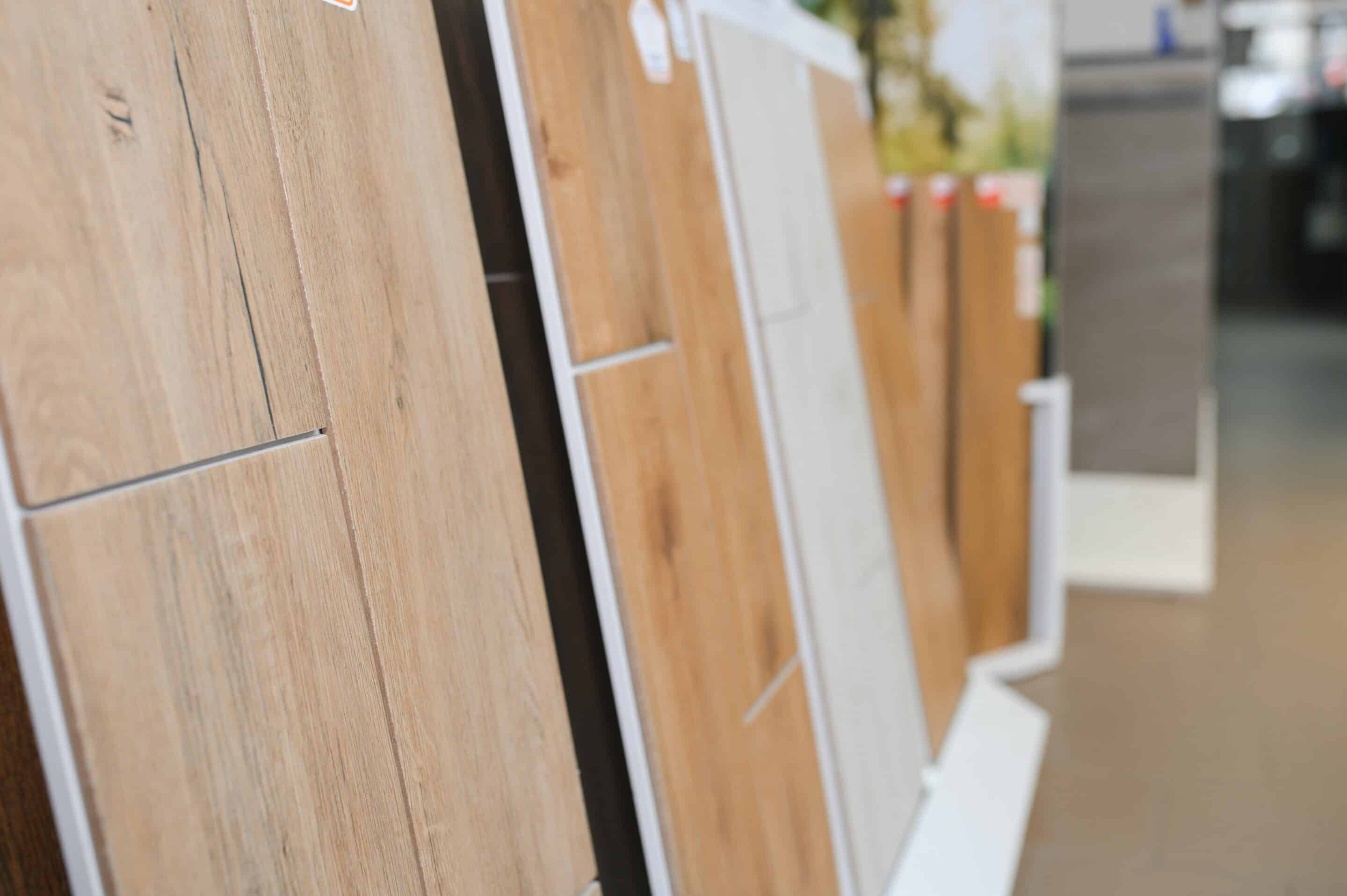
Floor Tiles

Embarking on a residential property upgrade requires careful planning, a clear understanding of material durability, and a realistic look at your daily lifestyle. While visual styling plays a major role in your design decisions, choosing an unsuitable material for a high-traffic or moisture-prone room can lead to premature wear and costly replacements. Navigating the vast market of modern materials is the secret to protecting your long-term property investment.

If you want to achieve a seamless blend of durability and timeless style, the local design specialists at Elegant Floors can help you assess your interior layout and select the ideal structural materials for your property.

Understanding the Functional Demands of Modern Home Flooring

To identify the best type of flooring for your property, you must analyze the traffic levels in each room, moisture exposure, and local climate shifts. Modern surfaces must balance resistance to daily foot traffic with your visual design goals. Selecting materials that complement your household needs ensures lasting structural performance.

When preparing a comprehensive residential remodeling checklist, it is helpful to view materials through the lens of spatial utility. A material that performs beautifully in a formal dining room might fail completely when exposed to the high humidity of a master bathroom or the heavy spills of a kitchen.

Hardwood Flooring: Timeless Elegance and Long Term Value

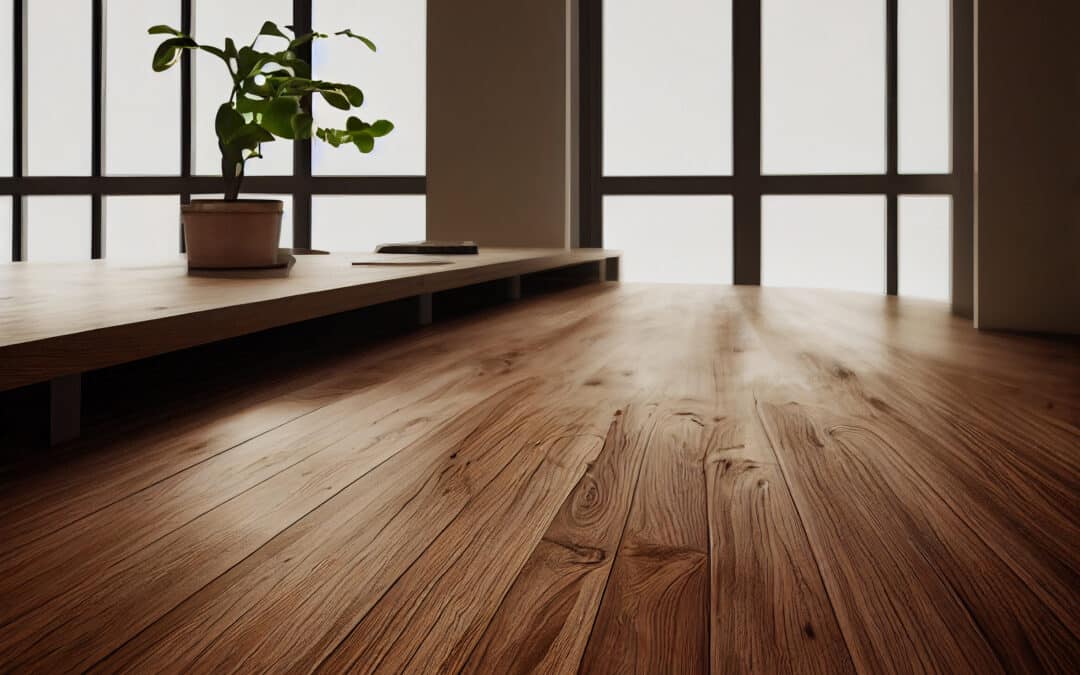
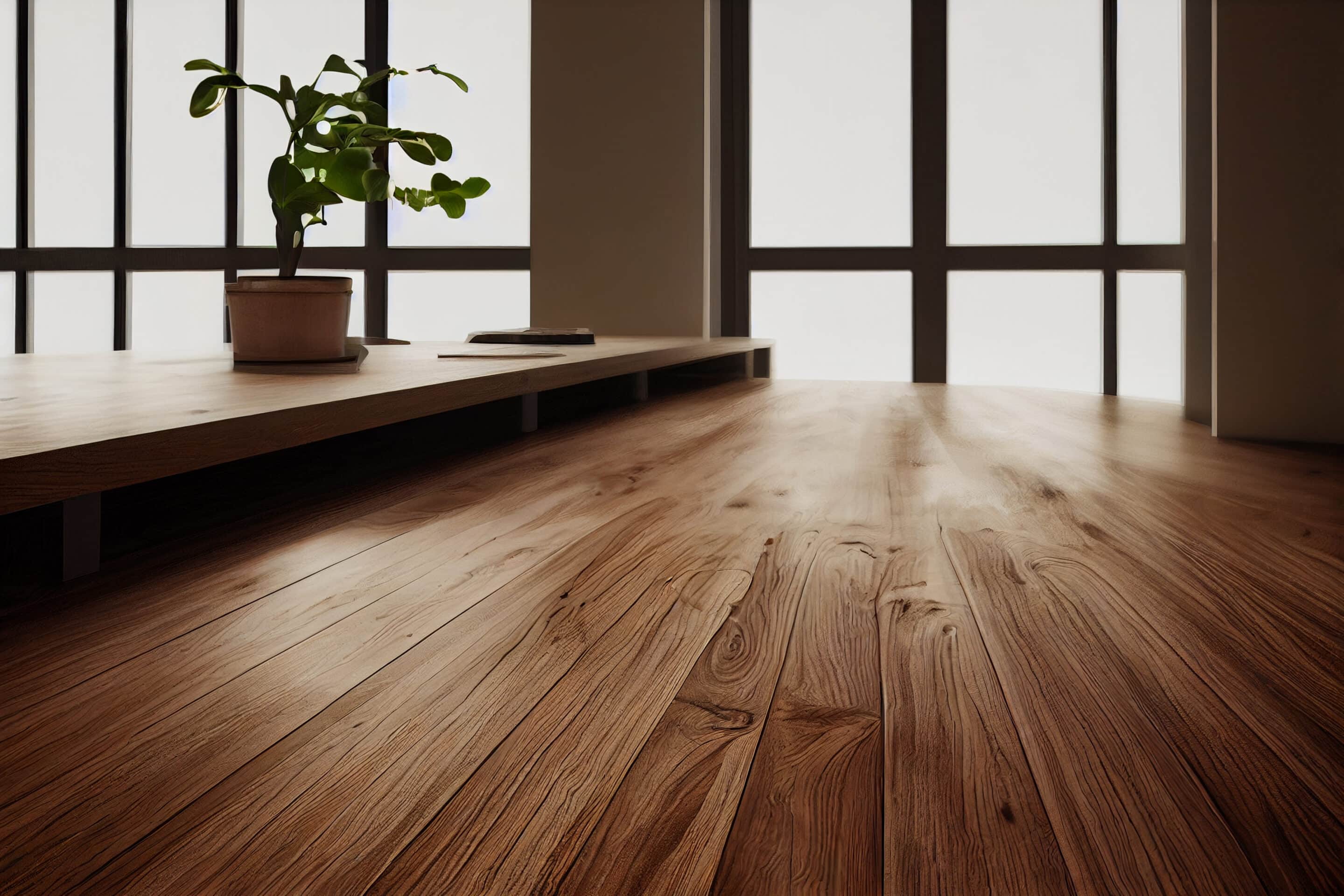
Solid hardwood and engineered hardwood remain top premium selections for traditional living areas, hallways, and bedrooms. This classic flooring option offers unmatched natural beauty, unique grain variations, and excellent long-term structural value.

Key advantages of choosing premium hardwood include:

  • Significant increase in overall residential property resale value.
  • The ability to sand and refinish the planks multiple times over decades.
  • Excellent natural insulation that helps maintain comfortable surface temperatures.

Luxury Vinyl Plank: The Ultimate Multi Purpose Solution

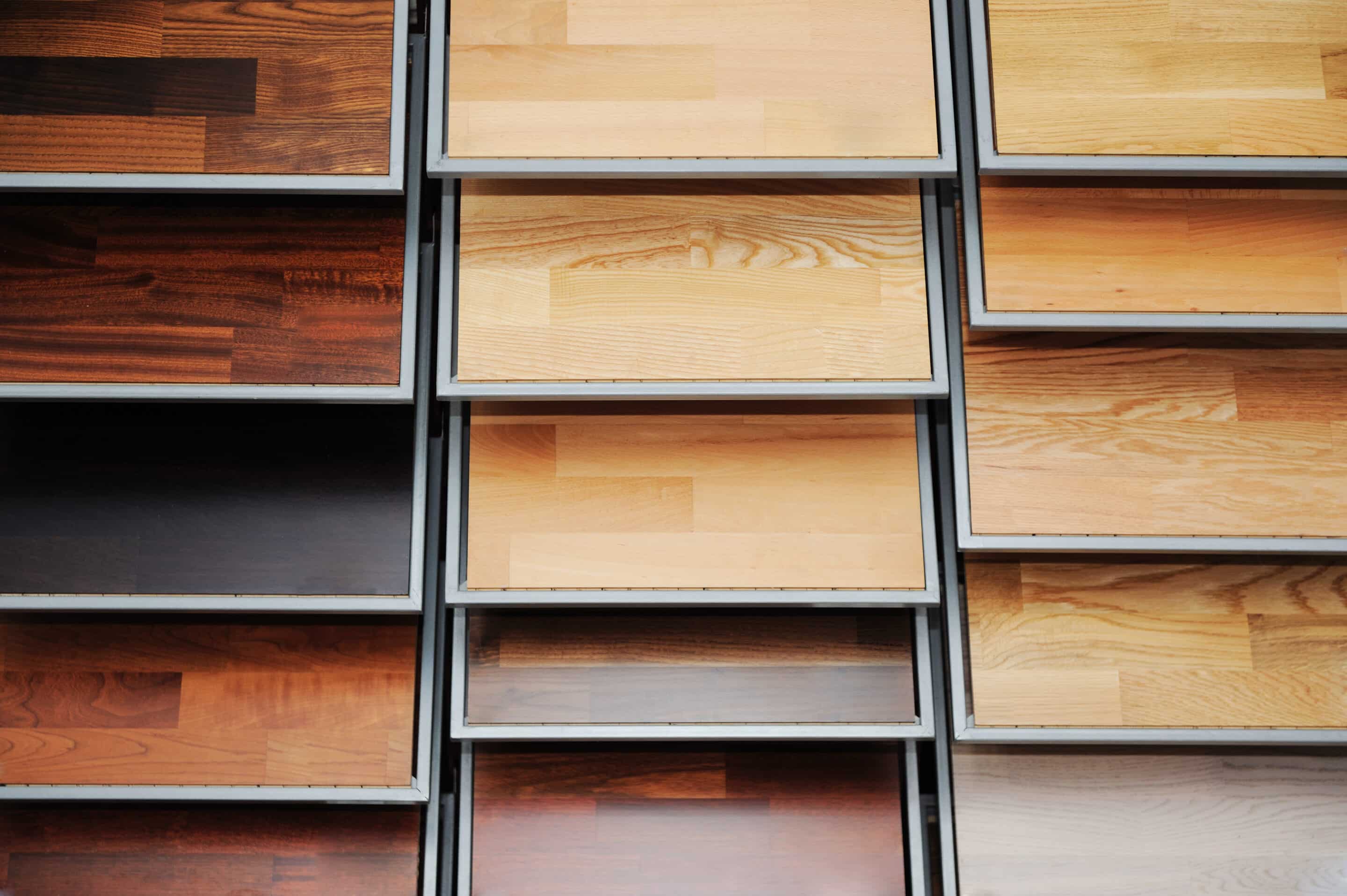
Wood Flooring

Luxury vinyl plank, commonly referred to as LVP, has rapidly become the best type of flooring for busy families with young children or indoor pets. This innovative material mimics the authentic texture of real wood while providing a highly resilient surface.

Feature Solid Hardwood Luxury Vinyl Plank (LVP)
Moisture Resistance Vulnerable to warping Completely waterproof
Lifespan Can last over 50 years Typically 10 to 25 years
Maintenance Requires special wood cleaners Simple sweeping and damp mopping

Durable Ceramic and Porcelain Tile for High Moisture Areas

For areas exposed to constant water splashing, such as bathrooms, laundry rooms, and entryways, porcelain tile stands out as the industry standard. Porcelain is fired at incredibly high temperatures, making it denser and less porous than standard ceramic options.

Frequently Asked Questions

  • What is officially considered the best type of flooring for a kitchen remodeling project?
    Luxury vinyl plank and porcelain tile are widely considered the ideal choices for a kitchen environment. Both options offer complete waterproof protection, withstand dropped heavy cookware, and resist stubborn cooking grease stains while remaining incredibly simple to sanitize.
  • How do pet claws and heavy foot traffic impact different flooring materials?
    Heavy traffic and active pets can easily scratch genuine solid hardwoods over time. For homes with large pets, choosing durable, scratch-resistant options like luxury vinyl or hard porcelain tile helps prevent surface damage and maintain a clean aesthetic.
  • Can engineered hardwood planks be installed safely inside a damp basement?
    Yes, engineered hardwood can often be installed in basements because its layered plywood core resists expanding and contracting. However, installing a dedicated subfloor vapor barrier before laying down the wood is critical for blocking moisture from the underlying concrete.
  • Which cost effective flooring options provide the highest return on investment?
    Solid wood installations consistently provide the highest financial return on investment for homeowners looking to sell their properties. For budget-conscious buyers, high-quality luxury vinyl replicates that premium visual appeal at a fraction of the raw material cost.
  • How does routine maintenance differ between natural stone and laminate options?
    Natural stone requires periodic applications of a specialized protective chemical sealant to block moisture and deep staining. Laminate materials do not require sealing, but they are vulnerable to joint swelling if puddles of water are left standing on the surface for too long.

Ready to Upgrade Your Space with Premium Surfaces?

Selecting new materials for your property is an exciting milestone that can completely transform the overall comfort, value, and daily utility of your living space. Whether you are ready to install elegant real wood throughout your main floor or need a tough, waterproof option for a busy bathroom, selecting matching materials ensures an excellent end result.

The dedicated layout team at Elegant Floors is here to walk you through every step of your upcoming home upgrade. Contact us today to schedule your comprehensive design consultation and explore our extensive material showroom.

How to Refinish Hardwood Floors?

How to Refinish Hardwood Floors?

Hardwood Flooriong

Solid wood flooring is a premium asset that adds unmatched character and long-term financial value to your home. Over the years of heavy foot traffic, pet claws, and UV exposure, even the highest-quality hardwood flooring will eventually develop surface scratches, dull spots, and localized discoloration.

Fortunately, solid timber boasts incredible resilience. Learning how to refinish hardwood floors allows you to strip away decades of surface wear and reveal the pristine, untouched grain hidden just beneath the surface.

Key Takeaways for Successful Refinishing

  • Prep is Everything: Complete structural repairs, counter-sink exposed nails, and deeply clean the room before introducing heavy sanding machinery.
  • Progressive Grits: Always sand using a systematic progression of abrasive grits, typically moving carefully from coarse 36-grit up to a fine 100-grit polish.
  • Control the Edge: Use an edge sander along walls and baseboards to ensure a uniform texture throughout the layout.
  • Mind the Cure Time: Polyurethane coatings dry relatively quickly, but they require up to a full week to chemically cure before accepting heavy furniture.

Why Should You Refinish Your Wood Floors?

Over time, everyday life takes a visible toll on your home’s architectural surfaces. Rather than paying tens of thousands of dollars to completely tear out and replace older planks, renewing your existing materials is an eco-friendly and highly cost-effective alternative.

Refinishing allows you to completely change the color palette of your home with modern stains, patch up deep historical scratches, and apply an impervious protective barrier against future moisture or spills. It breathes new life into your architectural investments while preserving your property’s structural integrity.

Is My Wood Flooring Thick Enough to Sand?

Most solid hardwood flooring planks can be safely sanded and refinished four to six times throughout their structural lifespan. However, engineered wood options feature a much thinner real timber wear layer, usually measuring between two and six millimeters, meaning they can only tolerate one or two light refinishing treatments before wearing down completely.


To verify if your material can withstand the aggressive abrasion of a drum sander, remove a floor register vent or a piece of baseboard trim. This unexposed edge allows you to view the true profile of your planks and measure the exact thickness of the timber above the tongue-and-groove interlocking joint.

Essential Equipment and Safety Gear

Executing a professional-grade restoration requires specialized heavy machinery and strict adherence to personal protective protocols.

Equipment / Material Specific Purpose Safety / Operational Protocol
Drum Sander Aggressive, rapid removal of old finish and deep scratches across flat center expanses. Must keep moving constantly to avoid gouging permanent valleys into the wood.
Floor Edger Heavy-duty disc sanding designed to reach areas close to baseboards and corners. Keep the tool flat and moving in smooth, overlapping arcs.
Random Orbital Buffer Fine, multi-directional polishing that removes fine scratch patterns between coats. Vacuum the floor meticulously before using to prevent trapping grit.
Respirator (NIOSH-Approved) Protects your respiratory system from fine wood dust and toxic chemical fumes. Ensure a tight silicone face seal and use active organic vapor cartridges.

A Step-by-Step Guide on How to Refinish Hardwood Floors

Refinishing timber is a meticulous process requiring structural patience and mechanical precision. Skipping steps will inevitably lead to unsightly swirl marks or uneven finish coats.

Step 1: Meticulous Room Preparation

Clear all furniture, art, and drapery from the target workspace. Tap any exposed finishing nails beneath the timber surface with a hammer and nail set, then seal any structural gaps with specialized, sandable wood filler. Thoroughly seal all doorways, HVAC vents, and built-in cabinetry with heavy plastic sheeting and painter’s tape to completely isolate the inevitable migration of fine airborne dust particles.

Step 2: The Progressive Sanding Process

Mount a coarse 36-grit sandpaper sleeve onto your rental drum sander to slice through the old, hardened protective sealant. Walk the machine slowly forward and backward across the room, tracking exactly along the natural directional flow of the wood grain.

[36-Grit: Strips Old Varnish] âž” [60-Grit: Flattens & Levels Planks] âž” [100-Grit: Smooth Polishing]


Once the center of the room is bare, use your edge sander with matching grits to clear the perimeter. Repeat this cycle across the entire floor plan using medium 60-grit paper, then finish with a fine 100-grit pass to close the timber’s open pores.

Step 3: Screening and Dust Evacuation

Vacuum the entire room multiple times using a heavy-duty shop vacuum equipped with a fine-particle HEPA filter. Next, run a random orbital buffer fitted with a 120-grit screening mesh disc across the floor plan to blend the edges and center sections together flawlessly. Wipe the bare wood down with a microfiber tack cloth to capture any remaining microscopic dust before opening your sealants.

Step 4: Applying Stain or Sealers

If you prefer a rich, contrasting aesthetic, apply your chosen interior wood stain evenly across the boards using a lamb’s wool applicator or a lint-free rag, wiping away any excess pooling liquid as you move. If you favor the organic, bright appearance of natural wood, bypass the stain completely and apply a clear, protective sanding sealer coat directly onto the bare wood fibers.

Step 5: Laying Down the Protective Finish

Apply three consecutive coats of a premium water-based or oil-based polyurethane finish. Water-based formulas dry incredibly fast and remain crystal clear over the years, while traditional oil-based polyurethanes provide a deep, warm amber hue along with outstanding long-term durability. Lightly abrade the surface between coats with a fine maroon buffing pad to ensure flawless chemical adhesion between the protective layers.

light and shadow on wood flooring 2026 03 25 06 26 24 utc scaled

FAQ Section

How long does it take to learn how to refinish hardwood floors?

While the basic mechanical steps are straightforward, mastering the physical control of a heavy drum sander takes focus. For a standard 500-square-foot room, a dedicated homeowner can typically complete the physical sanding, staining, and initial sealing stages in a single weekend, provided they follow structural safety protocols.

What is the difference between refinishing and screening?

Screening only involves scuffing up the very top layer of the clear polyurethane coating using a buffer mesh pad before applying a fresh maintenance topcoat. Refinishing requires sanding down to the raw wood fibers to eliminate deep scratches, stains, and structural issues.

How long should I wait before walking on my newly finished floors?

If you applied a modern water-based polyurethane, you can typically walk across the surface in clean socks after 24 hours. However, you must wait at least 48 to 72 hours before allowing pets or heavy foot traffic, and a full week before sliding heavy furniture or laying down large area rugs back onto the workspace.

Can I change the color of my hardwood flooring during refinishing?

Yes. Once you sand the old sealant away and expose the bare, raw wood pores, you can apply any color of specialized interior wood stain you desire. Options range from ultra-modern, bright white washes to rich, traditional dark walnut tones.

Why are my newly finished floors turning a yellow color?

Traditional oil-based polyurethane finishes naturally oxidize over time when exposed to ambient oxygen and UV sunlight, creating a noticeable amber or yellowish cast. If you want your wood tones to remain true and neutral over the long term, choose a high-performance, non-yellowing water-based acrylic finish instead.

Bring Expert Artistry to Your Home’s Surfaces

Restoring your home’s natural timber architecture is an investment that pays visual and financial dividends for decades. While taking on a major DIY sanding project can be a rewarding challenge, operating industrial machinery also carries real structural risks to your property if handled incorrectly.

If you want to guarantee a flawless, mirror-smooth finish without the dust, stress, and physical strain of operating heavy rental equipment, our elite team is here to help. Discover the beautiful, lasting transformation that true craftsmanship can bring to your property. Call or visit us today!

What’s the Best Interior Paint?

What’s the Best Interior Paint?

Interior Painting

When planning a fresh home painting project, the endless wall of color chips and formula types at your local supply store can feel incredibly overwhelming. A brand-new coat of color can completely revitalize a room, elevate your interior design, and complement your high-quality flooring. However, a beautiful shade alone will not save you from the frustration of a low-quality product that flakes, stains, or fades within a year.

Homeowners frequently ask our design experts: What’s the best interior paint for a lasting, premium finish? The answer depends on balancing performance, the specific room environment, and how the walls interact with your room layout.

At Elegant Floors, we know that true room transformation involves looking at the entire canvas, from the surface under your feet to the color on your walls. Let’s dive into the absolute top paint formulas on the market, ideal finishes, and how to execute a flawless look.

Top Ranked Interior Paint Brands and Products

Achieving a professional result requires utilizing top tier manufacturing lines that offer rich coverage, minimal odor, and superb stain resistance.

Benjamin Moore Regal Select

Widely considered the gold standard by professional painters, this premium acrylic product features incredible hide and leveling capabilities. It goes on smoothly, hides imperfections effortlessly, and resists fading over time. Its proprietary stain-release technology makes it highly washable, which is perfect for busy households with pets and children.

Sherwin Williams Emerald Acrylic Latex

If you want a flawless luxury finish with maximum durability, Emerald is an exceptional choice. It provides smooth, uniform coverage that resists spotting, streaking, and color washing. It also features exceptional antimicrobial properties, making it a fantastic addition to moisture-prone areas such as guest bathrooms or kitchens.

Behr Marquee

For DIY enthusiasts seeking incredible value without sacrificing performance, this advanced formula guarantees one coat coverage in a massive selection of curated colors. It forms a dense, non-stick surface that wipes clean quickly, defending high-traffic hallways from everyday scuffs and handprints.

Choosing the Right Sheen for Each Living Space

Selecting the right brand is only half the battle. Matching the proper finish or sheen to the specific function of a room dictates both its aesthetic beauty and its long term durability.

  • Flat and Matte: These finishes absorb light beautifully, making them exceptional at hiding surface imperfections on older drywall. Because they are harder to clean without burnishing the surface, save flat coatings for low-traffic zones like master ceilings or adult bedrooms.
  • Eggshell and Satin: Providing a soft, velvety luster, eggshell is the ultimate choice for living rooms, dining spaces, and entryways. Satin offers a slightly higher gloss level, bringing enhanced moisture protection to family spaces and active kids’ playrooms.
  • Semi-Gloss and High-Gloss: Highly reflective and incredibly durable, these finishes repel water and withstand intensive scrubbing. They are the universal standard for architectural trim, baseboards, crown molding, and kitchen cabinets.

Designing a Cohesive Look From Baseboards to Flooring

A major mistake during a home remodeling project is selecting wall tones in a vacuum, without considering your flooring materials. Your walls and floors represent the two largest surface areas in any room, meaning they must work in harmony.

Flooring Material Recommended Paint Undertone Ideal Room Placement
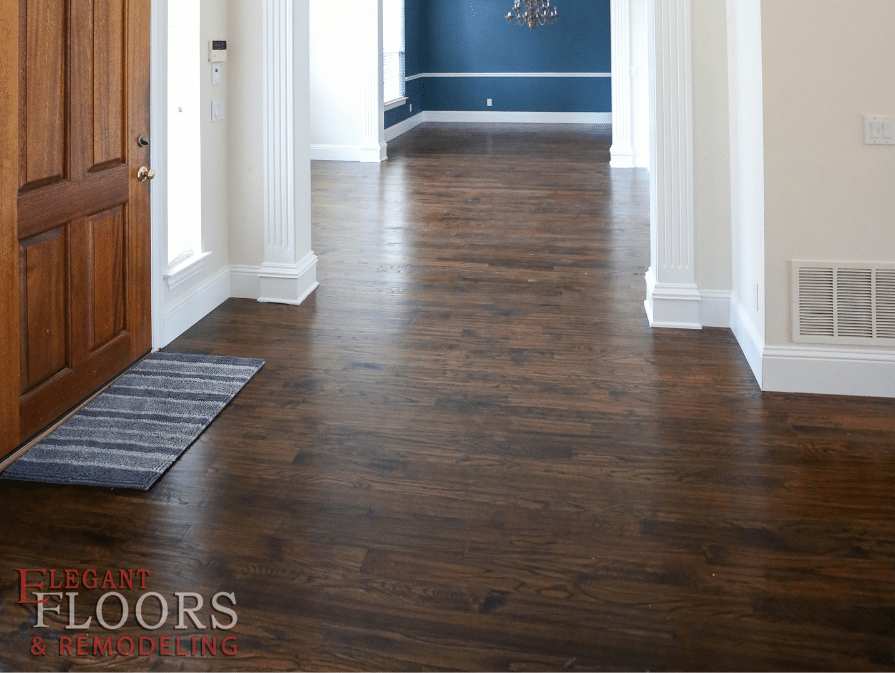
Warm Oak Hardwood Creamy whites, muted warm grays, soft earth tones Traditional living rooms, main entryways
Cool Gray Luxury Vinyl Plank Crisp bright whites, cool charcoals, soft blues Modern kitchens, high-traffic basements
Light Natural Maple Warm beige, sage greens, airy pastel tones Sunrooms, open concept family areas
Dark Walnut Timber Soft off whites, rich jewel tones, warm taupe Sophisticated home offices, formal dining spaces

When refreshing a room, we highly recommend painting your baseboards and architectural trim first. Matching your baseboards to the clean lines of your premium flooring material creates an elegant frame that anchors the entire space.

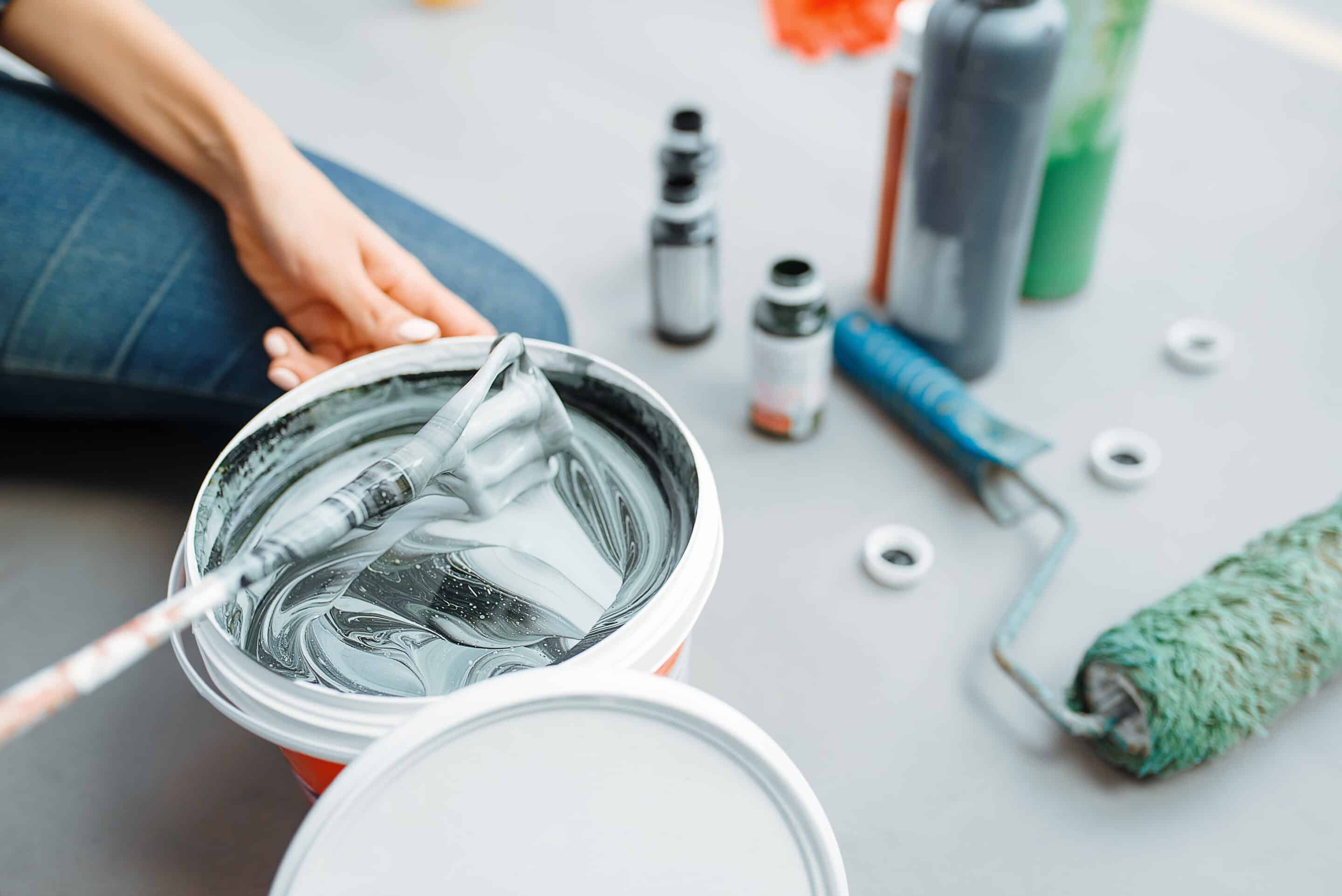
Paint Mixing

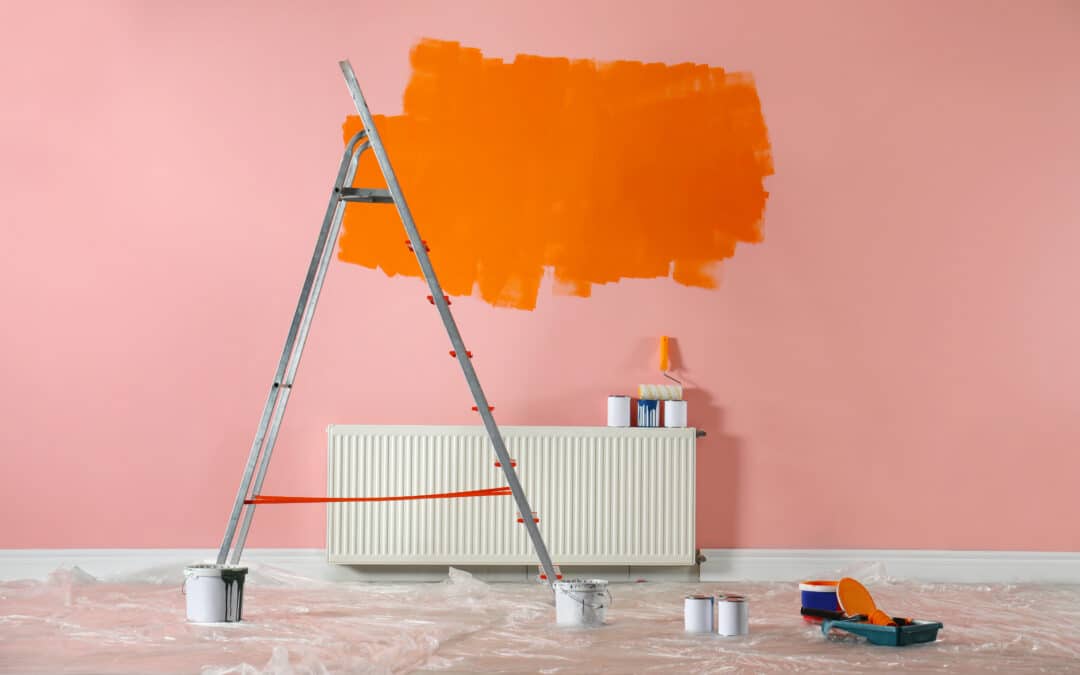
Step-by-Step Guide for a Flawless DIY Application

  1. Clear and Clean: Remove all furniture, switch plates, and outlet covers. Wash down your drywall with a mild detergent to eliminate trapped grease, dust, and oils.
  2. Repair the Surface: Fill nail holes, dents, and cracks with high quality spackling compound. Sand the patches completely smooth once they dry.
  3. Apply Painter’s Tape: Secure crisp edges along your ceiling line, window frames, and flooring borders using premium painter’s tape. Press down firmly to stop color bleeding.
  4. Prime the Drywall: Use a dedicated stain blocking primer if you are shifting from a dark color to a light shade or coating bare drywall.
  5. Cut In and Roll: Paint your room corners and borders first using an angled brush. Follow up immediately with a high quality microfiber roller cover, maintaining a wet edge to eliminate visible lap lines.

Frequently Asked Questions About Home Painting

What’s the best interior paint for high traffic hallways?

For heavy traffic zones, an premium eggshell or satin finish from a reputable line like Benjamin Moore Regal Select or Sherwin Williams Duration is ideal. These formulas offer the perfect balance, providing enough sheen to allow easy wiping and cleaning without highlighting minor wall dents and drywall flaws.

Can I paint my walls without using a primer first?

If your current walls are in excellent structural shape and you are applying a similar shade, modern self priming paint products work wonderfully. However, you must use a separate primer if you are covering dark colors, sealing raw drywall repairs, or transitioning from an old glossy oil paint base to a water-based acrylic latex formula.

How do I choose a wall color that matches my hardwood floors?

Look closely at the subtle undertones of your wood flooring. If your hardwood features warm yellow, orange, or red undertones, pair them with complementary warm neutrals or soft creams. For cool gray or whitewashed flooring, stick with crisp whites or cool based neutrals to prevent visual clashing.

What is the difference between latex and oil based interior coatings?

Water based latex and acrylic options dry quickly, emit very low odor, clean up easily with plain water, and remain highly flexible over time. Oil-based options offer superior leveling and an ultra hard finish, but they take a long time to dry, require mineral spirits for clean up, and are generally restricted to specialized trim work.

Bring Your Design Vision to Life with Elegant Floors

A gorgeous wall transformation deserves to be paired with breathtaking flooring. At Elegant Floors, we specialize in helping Texas homeowners elevate their properties through premium material selection and expert craftsmanship. Whether you are tackling a minor room update or managing a major home remodeling venture, our team is here to guide you through every choice.

We proudly serve communities across the region, providing top-tier hardwood, luxury vinyl plank, laminate, and tile solutions tailored to your unique style.

Visit Elegant Floors today to request your free design consultation and start building the home of your dreams!