How to Install Countertops?

How to Install Countertops?
Kitchen Countertops

A home renovation is an exciting venture that breathes brand new life into your daily living spaces. Whether you are remodeling a bustling family kitchen or transforming a master bathroom into a private oasis, updating your surfaces is one of the most impactful changes you can make. New installations instantly elevate your home’s aesthetic, improve everyday functionality, and increase your overall property value.

When planning a remodel, many homeowners naturally research how to install countertops to understand the project’s scope. While online videos can make the process look straightforward, achieving a high-end, durable finish requires specialized stone-cutting machinery, advanced leveling techniques, and years of hands-on expertise.

To protect your investment and secure a premium result, trust your project to a certified installation team. Let’s explore the strategic process behind a successful, commercial-grade surface build and why expert execution is essential.

Selecting Premium Surfaces for Your Unique Layout

Every room has distinct performance demands. Selecting a premium material that aligns with your household needs is the critical first step toward a beautiful, functional space.

Selecting Premium Surfaces for Your Unique Layout

Every room has distinct performance demands. Selecting a premium material that aligns with your household needs is the critical first step toward a beautiful, functional space.

Kitchen Countertops

The kitchen is the undisputed heart of the home. These high-traffic surfaces must withstand intense heat from cookware, the sharp edges of kitchen knives, and accidental spills of acidic foods or oils. Premium options like quartz, granite, and quartzite offer unmatched longevity and timeless elegance.

However, because these slabs are exceptionally heavy and unforgiving, installing countertops in a kitchen layout demands precise fabrication. Professional installers use heavy-duty transport frames and diamond-edge cutting tools to ensure every custom cut fits your unique walls perfectly without risking structural damage.

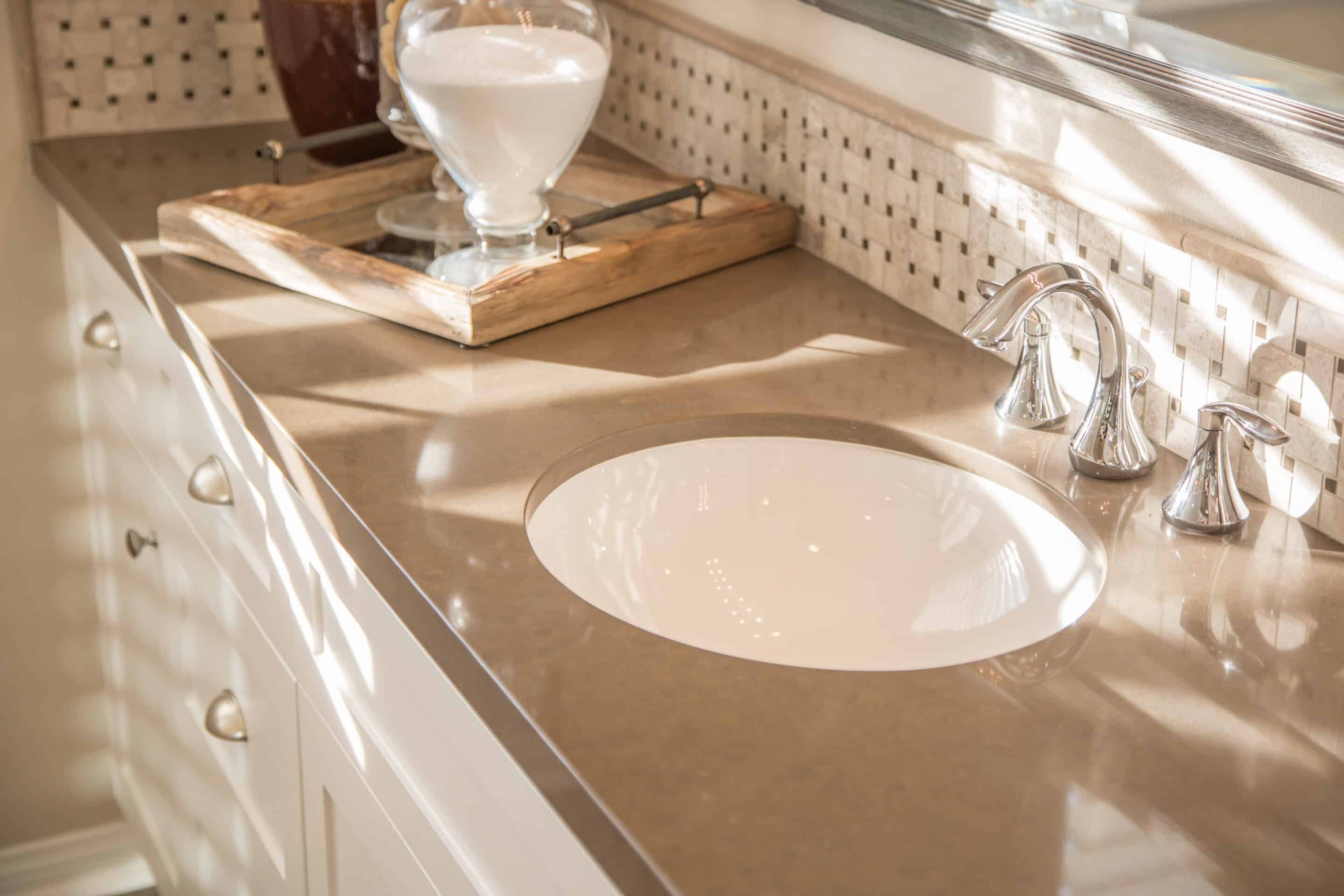
Bathroom Countertops

A bathroom vanity operates in a completely different environment, primarily characterized by high humidity, standing water, and exposure to daily cosmetic products. Because bathroom layouts are often more compact, installing a new vanity surface requires intricate, precise cutting around plumbing lines, integrated sinks, and custom backsplashes.

Professional alignment guarantees that moisture cannot seep into the underlying cabinetry, preventing hidden water damage and structural degradation over time.

The Professional Strategy: How to Install Countertops Flawlessly

Achieving a luxury look that lasts for decades requires a meticulous, multi-step process handled by trained installation crews. Here is a look at what goes into a successful execution:

1. Advanced Digital Laser Measuring

A flawless fit begins long before any material arrives at your property. Professional crews do not rely on standard tape measures. Instead, they utilize digital laser templating systems to capture the exact contours, waves, and unique angles of your walls. This high-precision data ensures your custom slab fits perfectly against your drywall, with no awkward gaps.

2. Base Cabinet Structural Evaluation

Heavy stone materials can easily crack or cause underlying structures to sag if the total weight is not distributed evenly. Experienced crews evaluate your existing base cabinet structures, checking for structural integrity and absolute level across all planes. If any low spots are found, the team uses commercial-grade leveling techniques to reinforce the foundation before any weight is ever applied.

3. Precision Fabrication and Custom Cutting

Once measurements are finalized, your slabs are cut using advanced CNC machinery and specialized wet saws. This automated precision ensures that sink cutouts, cooktop openings, and decorative edge profiles are completely smooth and uniform. Attempting to modify these materials on-site without commercial water-cooling systems can ruin the stone and create an unsafe environment.

4. Seamless Joining and Heavy Material Handling

Transporting and handling fragile, multi-hundred-pound slabs requires a team of experienced professionals using heavy-duty suction-cup lifters and specialized moving carts. Once positioned, the pieces are bonded to the cabinetry using high-strength structural adhesives. For expansive layouts, installers use mechanical seam-pullers and color-matched epoxy to blend the joints seamlessly, making the seams virtually invisible.

5. Deep-Penetrating Moisture Sealing

The final step focuses on long-term surface protection. Natural stone materials are inherently porous and require high-grade chemical sealants to prevent staining from everyday items such as coffee, wine, and oils. Professionals apply a deep-penetrating sealer that bonds with the stone on a molecular level, ensuring your surfaces remain stain-resistant and incredibly easy to clean.
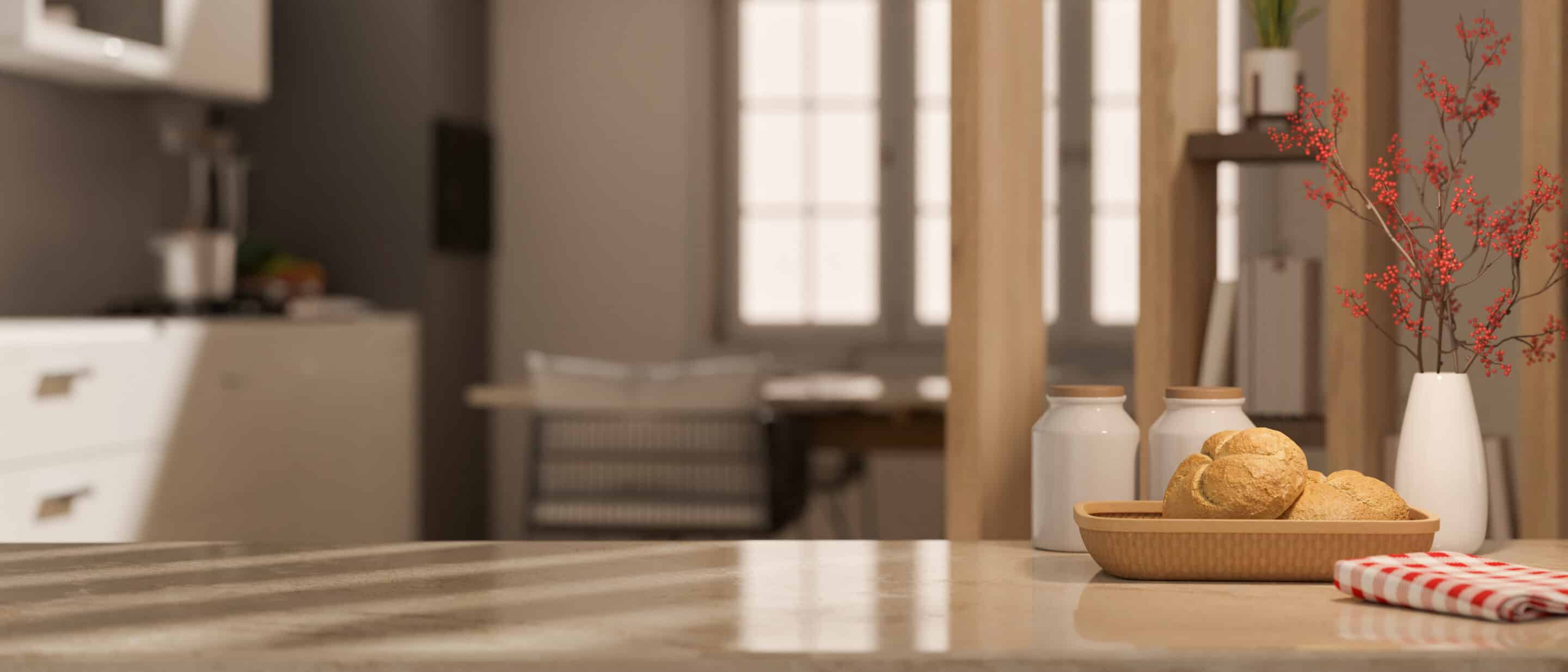
Countertops

Frequently Asked Questions

Can I install heavy quartz or granite countertops on my own?

While minor laminate updates are possible for advanced DIYers, handling heavy natural stone or quartz is highly discouraged. Slabs can easily snap under their own weight if lifted incorrectly, and a single error during a sink cutout can ruin an expensive piece of stone, voiding any material warranties.

How do professionals make the seams between stone sections look invisible?

To create a uniform appearance, installers use a custom-tinted epoxy mixed on-site to match the exact color and veining of your stone. They utilize compression tools that pull the pieces together under immense pressure while the adhesive cures, leaving a tight, smooth joint.

Can new countertops be installed on old, unlevel cabinets?

No, new surfaces should never be placed on an uneven foundation. Heavy stone puts uneven stress on unlevel cabinets, which can lead to structural shifting, separated seams, or visible cracks in the stone. Installers always level and reinforce the cabinet bases thoroughly before lowering the material into place.

Conclusion

Researching how to install countertops highlights just how much precision, structural reinforcement, and specialized equipment are required for a successful remodel. By trusting the fabrication and installation to certified professionals, you ensure perfect structural leveling, seamless joints, precise cutouts, and a stunning aesthetic that will withstand decades of daily wear and tear.

When you choose Elegant Floors, you are partnering with a dedicated team of local Texas craftsmen committed to perfection. We handle every step of your renovation project with the utmost care, from initial laser measurement and precise fabrication to final placement and premium sealing.

Ready to transform your home with exquisite new surfaces and flawless execution? Visit Elegant Floors today to browse our beautiful material options and schedule your professional consultation with our expert team.
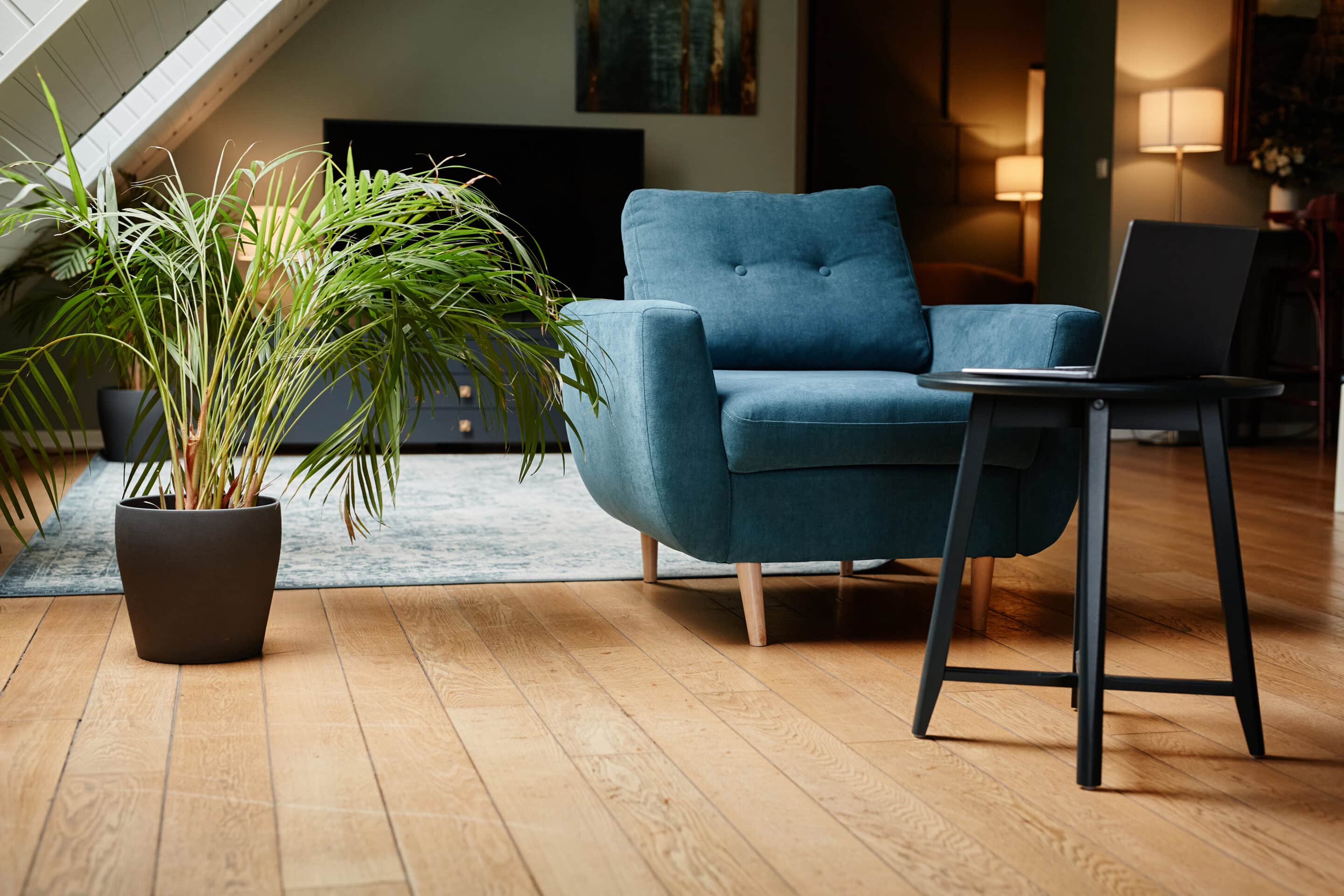
Is Engineered Wood Flooring Good?

Is Engineered Wood Flooring Good?

Wood floors

When it comes time to upgrade your home, nothing matches the warmth, elegance, and timeless appeal of real timber underfoot. For decades, solid hardwood was considered the gold standard for luxury residential design. However, advancements in modern manufacturing have introduced an alternative that has rapidly come to dominate the market. If you are browsing showroom options for an upcoming home renovation, you are likely asking yourself a fundamental question: Is engineered wood flooring good enough to protect your long-term property investment?

The short answer is absolutely yes. In fact, for many modern households, it is actually a superior option to traditional solid planks. To help you make an informed decision for your space, let us dive deep into how this material is constructed, where it outperforms other choices, and how it handles real-world daily wear.

Understanding the Construction: What Makes It Different?

To understand why this surface solution is so highly regarded, it helps to look directly at its structural design. Many people mistakenly confuse engineered wood with laminate or vinyl, assuming it is a synthetic imitation. In reality, it is 100% genuine wood.

The key difference lies in how the planks are built. While a solid wood plank is cut from a single piece of timber, an engineered plank utilizes a smart multi-layer design.

As shown in the structural diagram above, the plank consists of three distinct zones:

  • The Top Layer: A beautiful, real hardwood veneer made of premium species like oak, hickory, maple, or walnut. This is what you see and walk on.
  • The Core Layers: Multiple cross-ply layers of high-density plywood or composite fiberboard glued together under immense pressure.
  • The Bottom Layer: A balancing backing layer that seals the underside and provides structural grounding.

By running the grain of each internal plywood layer in alternating, perpendicular directions, manufacturers create a plank with incredible dimensional stability. This unique structural framework prevents the material from warping, expanding, or contracting when exposed to changing indoor environments.

Wood Floors

The Major Benefits of Upgrading to Engineered Planks

When weighing your options for a premium wood flooring project, choosing a high-quality engineered product provides several distinct advantages for active households.

1. Superior Moisture and Humidity Resistance

This is where the engineering truly shines, especially for properties in humid climates like Texas. Solid wood is highly porous; it absorbs ambient moisture, causing the planks to swell, cup, or buckle over time. Because of its cross-ply core, engineered planks resist these environmental shifts with ease, making them a safe choice for installation over concrete slabs, in basements, or in kitchens where moisture levels fluctuate.

2. Authentic Aesthetic Appeal

Because the top wear surface is cut from real trees, it delivers the exact same visual depth, grain variations, and premium feel as a solid plank. No two boards are identical, giving your home a luxurious, high end finish that synthetic print layers simply cannot replicate.

3. More Installation Flexibility

Solid timber must be nailed or stapled down to a wood subfloor, which limits where you can place it. Engineered products can be nailed down, glued directly to a concrete subfloor, or installed as a floating floor over an acoustic underlayment, making it incredibly versatile for both single family homes and high-rise condos.

Wood Flooring

How Does It Compare to Traditional Solid Hardwood?

When deciding if is engineered wood flooring good for your specific layout, it helps to compare it side by side with traditional solid timber across key performance metrics.

Feature Solid Hardwood Engineered Wood Flooring
Material Composition 100% Solid Timber Real Wood Veneer + Plywood Core
Moisture Resistance Low (Prone to cupping) High (Excellent stability)
Installation Locations Above grade wood subfloors only Any level, including concrete slabs
Sanding and Refinishing 4 to 6 times 1 to 3 times (Depending on wear layer)
Lifespan 75 to 100 years 30 to 50 years

While solid timber can technically last a lifetime because it can be sanded down completely dozens of times, premium engineered options with a thick top veneer can still be professionally sanded and refinished multiple times. This allows you to erase deep scratches and update the stain color down the road if home styles change.

Frequently Asked Questions About Engineered Wood Durability

Does engineered wood flooring look fake?

Not at all. Because the surface layer is cut directly from natural oak, maple, or hickory logs, it features the authentic grain, texture, and natural imperfections of real wood. Once installed, it is visually indistinguishable from solid hardwood.

Can you sand and refinish engineered wood floors?

Yes, provided you select a quality product with a sufficient wear-layer thickness. Planks with a wear layer of 3 millimeters or more can be safely sanded and refinished 1 to 3 times over their lifespan to remove surface scratches and restore their original luster.

Is engineered wood flooring good for homes with pets?

Yes, it is one of the top durable hardwood options for animal owners. Choosing a hardwood species like hickory or white oak with a factory applied, scratch resistant aluminum oxide finish helps protect the surface from dog and cat claws.

Does this type of flooring increase home value?

Yes. Because it utilizes real premium wood species, real estate professionals and home appraisers view it with the same high regard as traditional solid planks, providing a fantastic boost to your overall home equity.

Transform Your Space with the Experts at Elegant Floors

Selecting the ideal foundation for your property requires balancing daily lifestyle demands with your aesthetic goals. Now that you know the exceptional structural stability, moisture resilience, and lasting value that engineered materials offer, the next step is to find the perfect design style for your rooms.

At Elegant Floors, we take pride in helping Texas homeowners find the ultimate balance of luxury and performance. Whether you are looking for wide plank European white oak, rustic scraped hickory, or smooth modern maple, our professional installation team ensures your new investment is flawlessly fitted to handle your daily life beautifully.

Ready to find a floor that combines stunning natural beauty with modern durability? Contact Elegant Floors today to schedule your custom design consultation or request a free estimate!

What is the Best Flooring Option for Homes with Pets?

What is the Best Flooring Option for Homes with Pets?

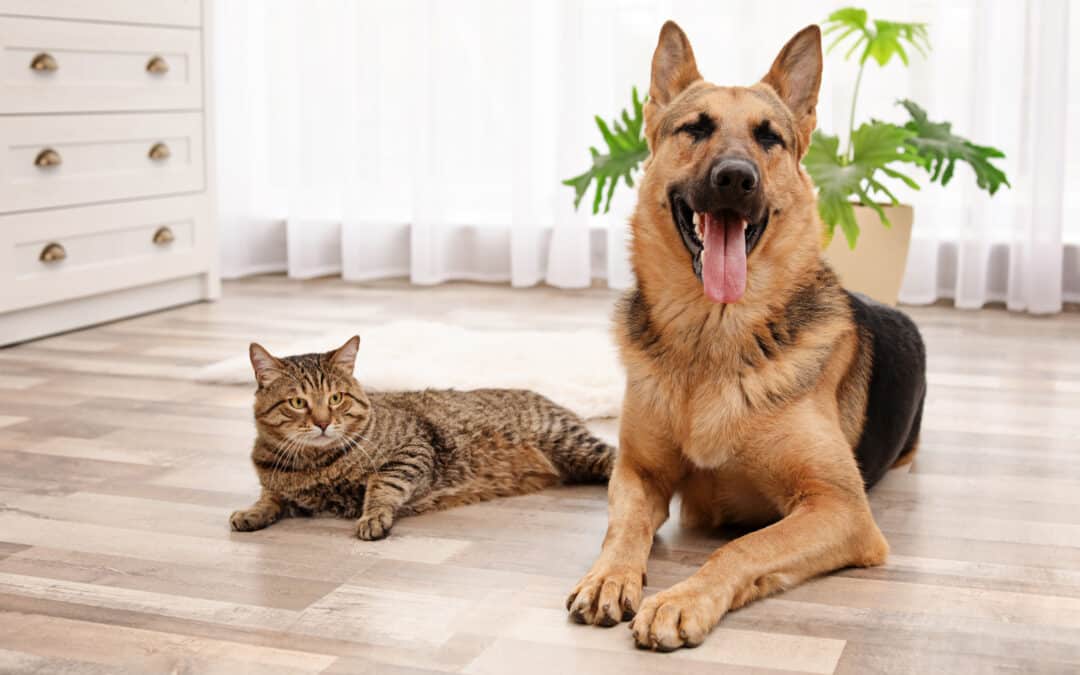
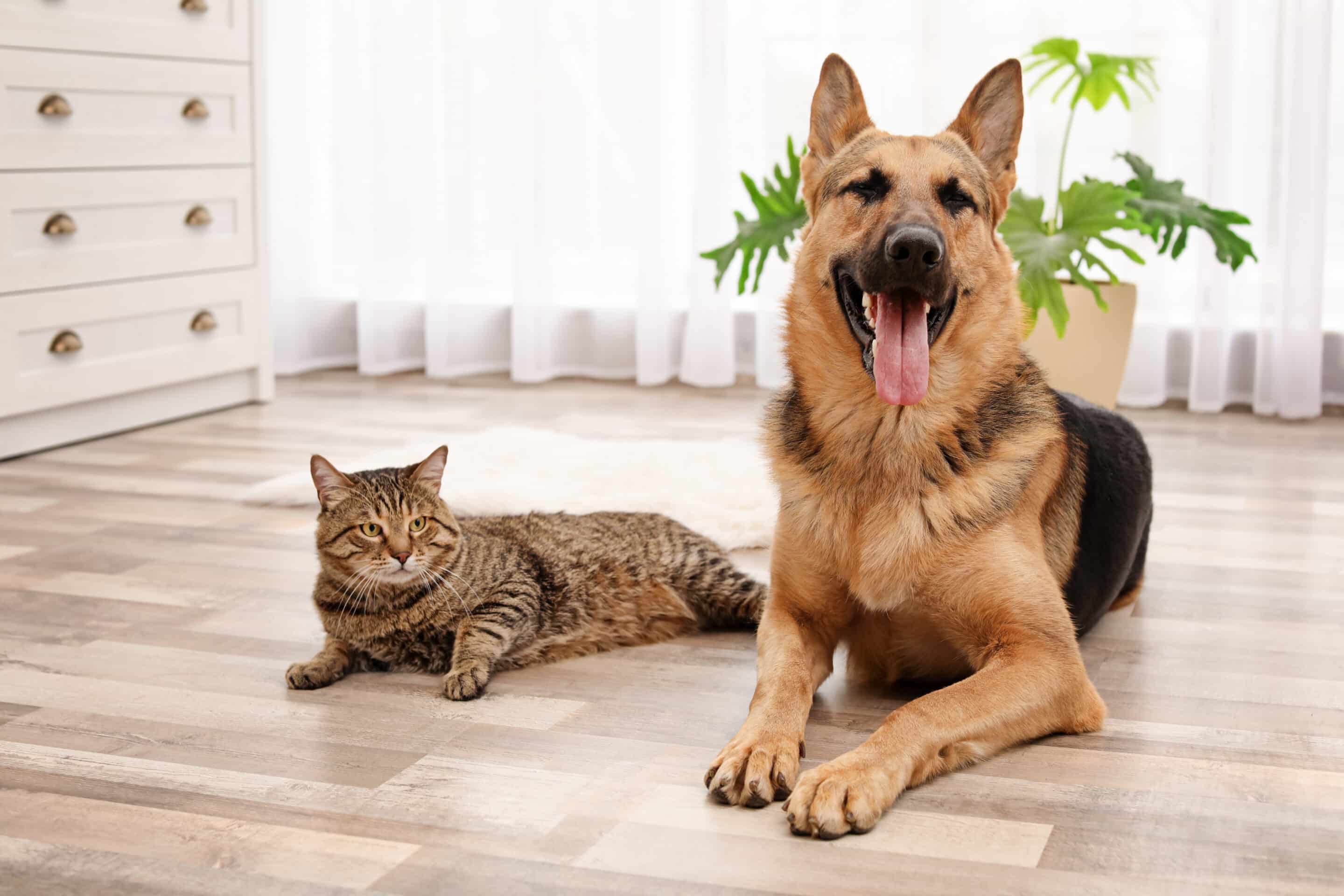
Pets lying on the floor

Sharing your living space with four-legged family members brings immense joy, but it also introduces unique challenges for your interior design. Between muddy paws tracking through the entryway, sharp claws digging in during playtime, and the occasional potty accident, your ground surfaces take a serious beating. If you are preparing to remodel your house or build a new property, discovering the best flooring option for homes with pets is essential to safeguarding your long-term investment.

The ideal material needs to strike a flawless balance between beautiful aesthetics, underfoot comfort for your animals, and rugged durability. Let us break down the top performance materials that experts recommend to keep your household functional and stylish.

Key Factors When Choosing Pet-Friendly Flooring

Before comparing specific materials, it is important to understand what makes a surface truly resilient against animal wear and tear. You should evaluate any potential flooring surface based on three major criteria:

  • Scratch Resistance: Large dogs can exert significant pressure through their nails. The surface needs a tough outer wear layer to prevent deep gouges.
  • Moisture and Stain Resistance: Accidents happen, and water bowls inevitably spill. You need a material that prevents liquids from seeping into the subfloor, which can cause rot and foul odors.
  • Traction and Comfort: Surfaces that are too slick can cause older dogs or cats to slip, potentially leading to joint injuries over time.

The Top Contenders for Paws and Claws

When analyzing market performance, a few specific durable floor coverings consistently outperform traditional options like standard solid hardwood or plush carpets.

1. Luxury Vinyl Plank (LVP) and Tile (LVT)

For the vast majority of busy households, luxury vinyl stands out as the single best flooring option for homes with pets. Modern engineering allows luxury vinyl to perfectly mimic the texture and grain of authentic oak, hickory, or slate while offering unparalleled resilience.

  • Why it wins: Most premium LVP lines are 100% waterproof from top to bottom. It features a thick, commercial-grade clear wear layer that shrugs off heavy dog claws and prevents staining from urine or muddy paws.
  • Bonus: It is relatively warm and soft underfoot, making it comfortable for your pets to sleep on, and it provides decent traction.

2. Premium Waterproof Laminate

High-quality laminate has come a long way from the cheap, hollow-sounding materials of the past. Modern performance laminate is an incredibly rigid, dense material that features an exceptionally hard top wear surface.

  • Why it wins: Laminate is actually even more scratch-resistant than luxury vinyl plank, making it practically immune to claw marks.
  • What to watch for: Ensure you select a brand explicitly labeled as waterproof that features tight-locking joints that protect the core from liquid penetration for 24 to 72 hours.

3. Porcelain and Ceramic Tile

If you want a classic look that is completely bulletproof against moisture and wear, tile is an excellent choice.

  • Why it wins: It cannot be scratched by any domestic animal, and liquids can sit on its surface indefinitely without causing damage. It is also incredibly easy to sanitize.
  • What to watch for: Tile is inherently hard and cold. You will want to supplement it with machine-washable area rugs to give your pets a soft place to rest. Be sure to seal your grout lines regularly to prevent stain absorption.

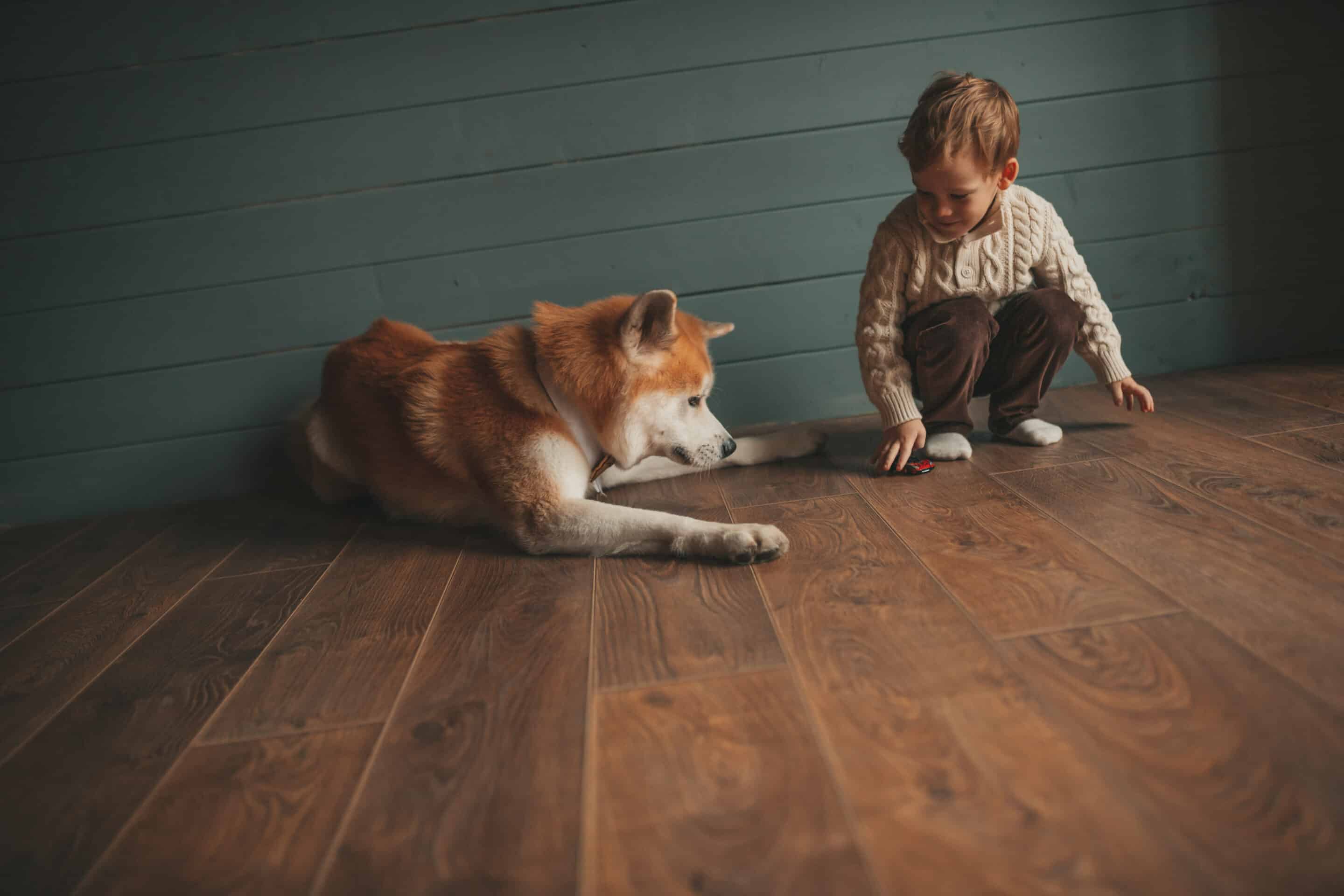
Child playing with the dog

Why Traditional Hardwood Can Be Risky for Animal Owners

Many homeowners love the timeless beauty of authentic natural wood. However, if you have large dogs, traditional solid hardwood is rarely the best flooring option for homes with pets.

Natural woods like pine, walnut, or cherry are soft enough to show deep claw tracking within just a few weeks of installation. Furthermore, the organic nature of wood means that liquid accidents can quickly cause dark discoloration, warping, and permanent odor retention. If you absolutely must have real wood, look toward ultra-hard engineered wood options with a highly distressed texture that can camouflage minor wear.

Frequently Asked Questions About Pet Friendly Surface Solutions

What is the absolute most scratch-resistant floor available?

Porcelain tile and high-density laminate flooring with an AC4 or AC5 durability rating offer the highest level of scratch protection against active animals.

How do I prevent my pet from slipping on slick floors?

Choosing materials with a textured or embossed in-register surface finish provides extra grip for paws. You can also place non-slip rugs in high-traffic zones or running pathways.

Is carpet always a bad idea if you have indoor animals?

Standard loop carpets like Berber can easily snag on cat or dog claws, unraveling the fibers. If you prefer carpet, choose a cut pile style with built-in stain protection, or opt for modular carpet tiles that can be replaced individually if damaged.

How do I clean pet accidents effectively without ruining my floor?

Always wipe up spills immediately. Use an enzymatic cleaner specifically designed for pet odors, as it completely breaks down organic matter without dulling your material’s protective finish.

Upgrade Your Texas Home with Elegant Floors

Investing in new surfaces is a major decision, but choosing a pet-friendly material ensures your home remains stunning, clean, and valuable for decades to come. Now that you know how to balance performance with design, the next step is viewing these beautiful options in person.

At Elegant Floors, we help Texas homeowners find the perfect balance of luxury and durability. Whether you are searching for premium waterproof luxury vinyl plank, scratch-resistant laminate, or elegant tile, our expert installation team ensures your new investment is perfectly sealed and fitted to withstand the craziest pet adventures.

Ready to find a floor that you and your pets will love? Contact Elegant Floors today to schedule your custom consultation or request a free quote!

Is Laminate Flooring Cheaper Than Carpet?

Is Laminate Flooring Cheaper Than Carpet?

Laminate Flooring

When it comes to a home renovation or a room update, choosing the right material can make or break your home improvement budget. Two of the most popular options for homeowners looking for style and affordability are synthetic wood surfaces and traditional carpeting. If you are trying to stretch your dollar, the primary question on your mind is likely: Is laminate flooring cheaper than carpet?

The answer isn’t a simple yes or no because upfront material prices are only one piece of the financial puzzle. To determine the true cost, you must factor in professional setup fees, subfloor preparation, underlayment, and the material’s actual lifespan in your home. Let us dive deep into the real numbers to see which option delivers the best return on your investment.

Upfront Costs: Material Price Per Square Foot

When looking strictly at the raw retail price tags, carpeting often appears to win the initial affordability battle. However, both materials span a wide range of quality tiers that affect the bottom line.

Carpet Pricing Realities

Low-end builder-grade nylon or polyester carpets can be found for very low prices, sometimes even under a dollar per square foot. However, high-quality plush or wool options can quickly climb to significantly higher prices. It is also important to remember that carpet requires a separate cushion pad underneath, which adds an extra expense to the raw material cost.

Laminate Pricing Realities

Standard laminate wood planks generally start a bit higher than the absolute cheapest carpet options. This engineered synthetic surface simulates real hardwood using a photographic appliqué layer under a clear protective wear layer. While premium waterproof varieties are priced higher, they offer immense durability that baseline products cannot match.

When comparing average, mid-grade options for a standard room, the raw materials for carpet are usually slightly lower than those for laminate.

The Hidden Fees: Installation and Labor Costs

Looking at retail material costs alone can be incredibly misleading. Professional labor plays a massive role in deciding which path is truly more budget friendly.

Carpet Installation Expenses

Installing carpet is a highly specialized skill that requires stretching tools, tack strips, and seamless heat taping. Because it is a fast process for experienced crews, labor costs for carpet installation are generally lower per square foot compared to hard surfaces.

Laminate Setup Costs

Laminate utilizes a click lock tongue and groove system. While it takes longer to lay down individual planks and make precise cuts around doorways, many homeowners choose to install it themselves as a DIY project. If you hire a professional, the labor rate for hard-surface flooring is typically higher than for stretching carpet. However, if you take the DIY route, you eliminate labor fees entirely, which changes the math on whether is laminate flooring cheaper for your specific project.

Long Term Value: Lifecycle Cost Comparison

True affordability isn’t just about what you spend today; it is about how soon you will have to spend it again. This is where the financial balance shifts dramatically toward hard surfaces.

Financial Factor Standard Carpet Laminate Flooring
Average Lifespan 5 to 8 Years 15 to 25 Years
Stain Resistance Low (Prone to permanent spills) High (Wipes clean easily)
Allergy Impact Traps dust, dander, and pollen Easy to sweep and sanitize
Replacement Frequency High (Requires frequent updates) Low (Long term structural wear)

As shown above, carpet needs to be completely replaced multiple times during the lifespan of a single laminate installation. When you calculate the cost over fifteen years, laminate becomes significantly more economical because you avoid paying for multiple material tear-outs and new installations.

Room By Room: Where to Allocate Your Budget

Certain areas of the home demand specific performance traits. Choosing the wrong material can lead to early structural failure and wasted money.

High Traffic Areas and Living Rooms

For hallways, entryways, and main living areas, laminate is the superior financial choice. The tough wear layer resists scratches from pet claws, dropped items, and heavy foot traffic. Carpet in these areas quickly develops ugly traffic lanes and visible wear patterns.

Carpet Flooring

Bedrooms and Cozy Spaces

If maximizing comfort is your goal, carpet remains a fantastic choice for bedrooms. It provides excellent thermal insulation and acoustic dampening. Since bedrooms experience less foot traffic, the carpet will last much longer than it would in a busy hallway, giving you better value for your money.

Frequently Asked Questions

Is laminate flooring cheaper than carpet when installing it yourself?

Yes. Because laminate features a user friendly click lock system, it is much easier for an amateur to install successfully compared to stretching carpet. By saving on professional labor fees, a DIY laminate project can easily cost less than a professionally installed carpet.

Does laminate require a separate underlayment cost?

It depends on the product you choose. Many modern premium laminate planks come with an acoustic foam pad pre attached to the bottom of each piece. If the product you buy does not have this, you will need to purchase roll out underlayment separately to smooth out the subfloor and dampen sound.

Which option adds more resale value to a home?

Hard surfaces are highly favored by modern home buyers. Replacing old carpet with clean, durable laminate wood style planks almost always yields a higher return on investment and helps a home sell faster on the real estate market.

Can laminate handle moisture better than carpet?

Yes. While traditional laminate can warp if water sits on it, modern waterproof versions handle spills beautifully. Carpet absorbs liquids quickly, which can lead to hidden mold growth in the padding underneath if it is not dried immediately.

Conclusion: Maximize Your Home Investment

When analyzing the big picture, evaluating whether is laminate flooring cheaper requires looking past the initial store receipt. While bargain carpet might save you money on day one, the superior lifespan, ease of cleaning, and modern style of quality flooring planks make laminate the clear winner for long-term affordability.

If you want to explore the best options for your home and get an accurate estimate tailored to your space, visit the local experts at Elegant Floors today to find the perfect balance of beauty, durability, and budget for your next project.

What Type of Flooring is Best for Your Home?

What Type of Flooring is Best for Your Home?

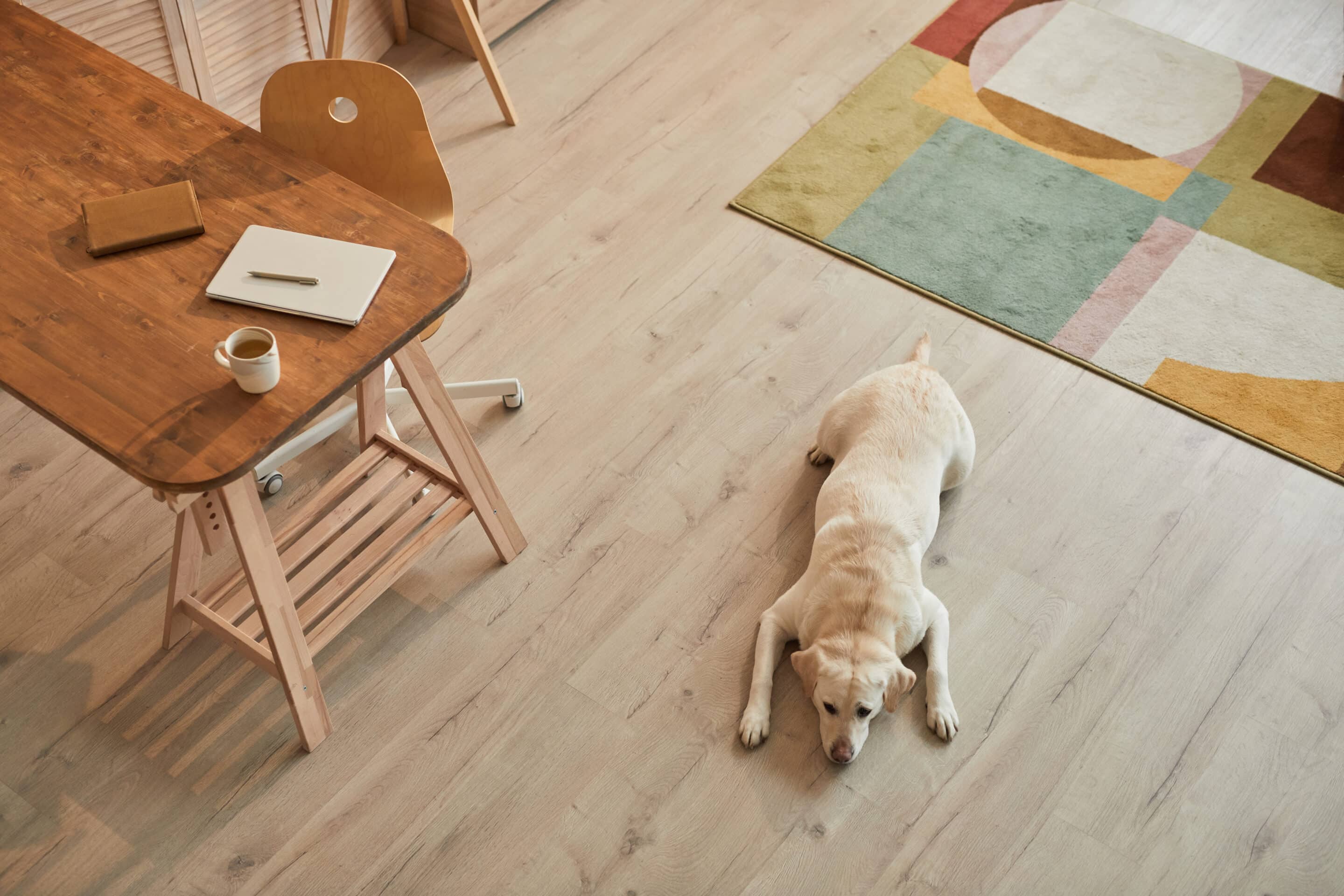
Dog lying on the floor

Replacing your floors is one of the most impactful home improvement projects you can undertake. It instantly changes the look, feel, and value of your property. However, with so many options on the market, homeowners often find themselves asking: what type of flooring is best?

The truth is that the “best” floor depends entirely on the room, your household activity, and your long term goals. At Elegant Floors TX, we believe that an informed customer is a happy customer. This guide will walk you through each type of flooring to help you make a decision that fits your lifestyle.

Factors to Consider Before Choosing a Type of Flooring

Before diving into specific materials, you should evaluate your space based on these three criteria:

  1. Moisture Levels: Is the room a bathroom or kitchen where spills are frequent?
  2. Traffic and Wear: Do you have pets with claws or children who frequently drop toys?
  3. Budget vs. Value: Are you looking for the most affordable option or the one that adds the most resale value?

Hardwood: The Timeless Gold Standard

When considering what type of flooring is best for increasing home value, hardwood is almost always the winner. It offers a classic look that never goes out of style.

  • Pros: Can be refinished multiple times, lasts for decades, and is highly sought after by buyers.
  • Cons: Susceptible to moisture damage and scratches; typically the most expensive option.
  • Best For: Living rooms, dining rooms, and bedrooms.

In Texas, engineered hardwood is often preferred over solid hardwood because it handles humidity changes much better, preventing the planks from warping or cupping during seasonal fluctuations.

Luxury Vinyl Plank (LVP): The Modern All Rounder

If you are looking for a type of flooring that balances beauty with extreme durability, Luxury Vinyl Plank (LVP) is likely your best bet. It has become the most popular choice for modern renovations.

  • Pros: 100% waterproof, incredibly scratch resistant, and mimics the look of real wood or stone perfectly.
  • Cons: While it looks like wood, it does not offer the same prestige or long term resale value as authentic timber.
  • Best For: Kitchens, bathrooms, basements, and homes with active pets.

LVP is often the answer when homeowners ask what type of flooring is best for high traffic areas because it can withstand heavy use without showing wear.

Ceramic and Porcelain Tile: The Waterproof Champion

For areas prone to heavy water exposure, tile remains the king of flooring. It is virtually indestructible when properly installed and maintained.

  • Pros: Heat resistant, waterproof, and available in endless colors and patterns.
  • Cons: Hard underfoot, cold to the touch, and grout lines require occasional cleaning.
  • Best For: Bathrooms, mudrooms, and laundry rooms.

In the Texas heat, many homeowners prefer tile because it helps keep their homes cooler during the long summer months.

Laminate: The Budget Friendly Alternative

Modern laminate has come a long way from the plastic looking floors of the past. Today’s high-quality laminate is a strong contender when debating what type of flooring is best for a mid range budget.

  • Pros: Easy to install, very resistant to fading from sunlight, and more affordable than hardwood or LVP.
  • Cons: Not all laminate is waterproof; it can be difficult to repair if a plank is damaged.
  • Best For: Rental properties, hallways, and playrooms.

Woman using a laptop

Choosing the Right Floor Room by Room

To truly determine what type of flooring is best, you have to look at the specific function of the room:

The Best Kitchen Flooring

Since kitchens are prone to spills and heavy foot traffic, we recommend Luxury Vinyl Plank or Tile. Both can handle moisture from a dishwasher leak or a dropped pot without permanent damage.

The Best Bedroom Flooring

For a cozy, warm feel, many still prefer Carpet. However, if you have allergies, Hardwood with a decorative area rug is the healthier and more stylish choice.

The Best Living Room Flooring

The living room is the heart of the home. Hardwood or Engineered Wood provides the warmth and elegance that creates a welcoming environment for guests and family.

Installation and Maintenance Tips

No matter what type of flooring is best for your needs, professional installation is the key to longevity. At Elegant Floors TX, our team ensures that subfloors are level and moisture barriers are properly placed to prevent future issues.

To keep your new flooring looking new:

  • Use felt pads under furniture legs.
  • Avoid using steam mops on wood or laminate.
  • Sweep regularly to prevent grit from scratching the surface finish.

Frequently Asked Questions (FAQ)

What type of flooring is best for resale value?

Authentic hardwood flooring consistently offers the highest return on investment. Buyers view it as a premium feature that justifies a higher home price.

What type of flooring is best for dogs and cats?

Luxury Vinyl Plank (LVP) is widely considered the best for pet owners. It is waterproof to protect against accidents and has a thick wear layer that resists scratches from claws.

Is vinyl flooring better than laminate?

Vinyl is generally superior for wet areas like bathrooms because it is waterproof. Laminate is often preferred for sunrooms because it is more resistant to fading from UV rays.

Can I install new floors over my old ones?

In some cases, LVP or laminate can be installed over existing tile or vinyl if the surface is flat and secure. However, for the best results, a full tear out is usually recommended to check the subfloor.

How do I know when it is time to replace my floors?

Look for signs of structural damage, such as soft spots, excessive creaking, deep scratches that cannot be sanded out, or water stains that suggest mold beneath the surface.

Conclusion: Find Your Perfect Fit at Elegant Floors TX

Deciding what type of flooring is best for your home is a balance of aesthetics, practicality, and budget. Whether you fall in love with the natural beauty of hardwood or the rugged durability of luxury vinyl, the right choice will enhance your daily living and protect your investment for years to come.

At Elegant Floors TX, we are dedicated to helping homeowners find the perfect match for their unique spaces. Our expert team is ready to guide you through the selection process and provide a flawless installation experience.

Ready to transform your home with the best flooring? Contact Elegant Floors TX today or visit our showroom to see our wide selection of hardwood, vinyl, and tile options!